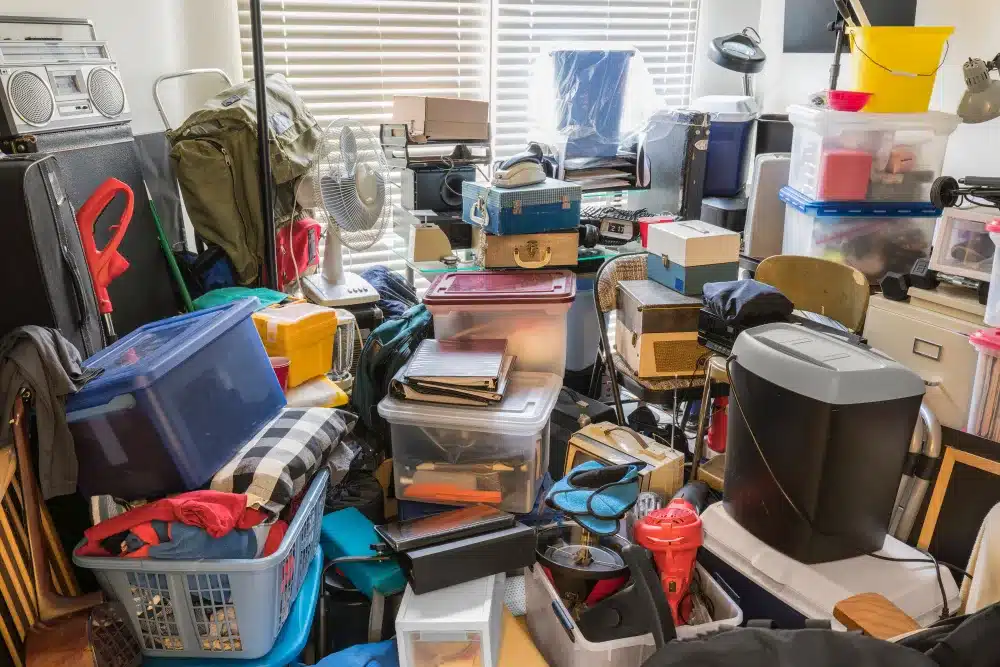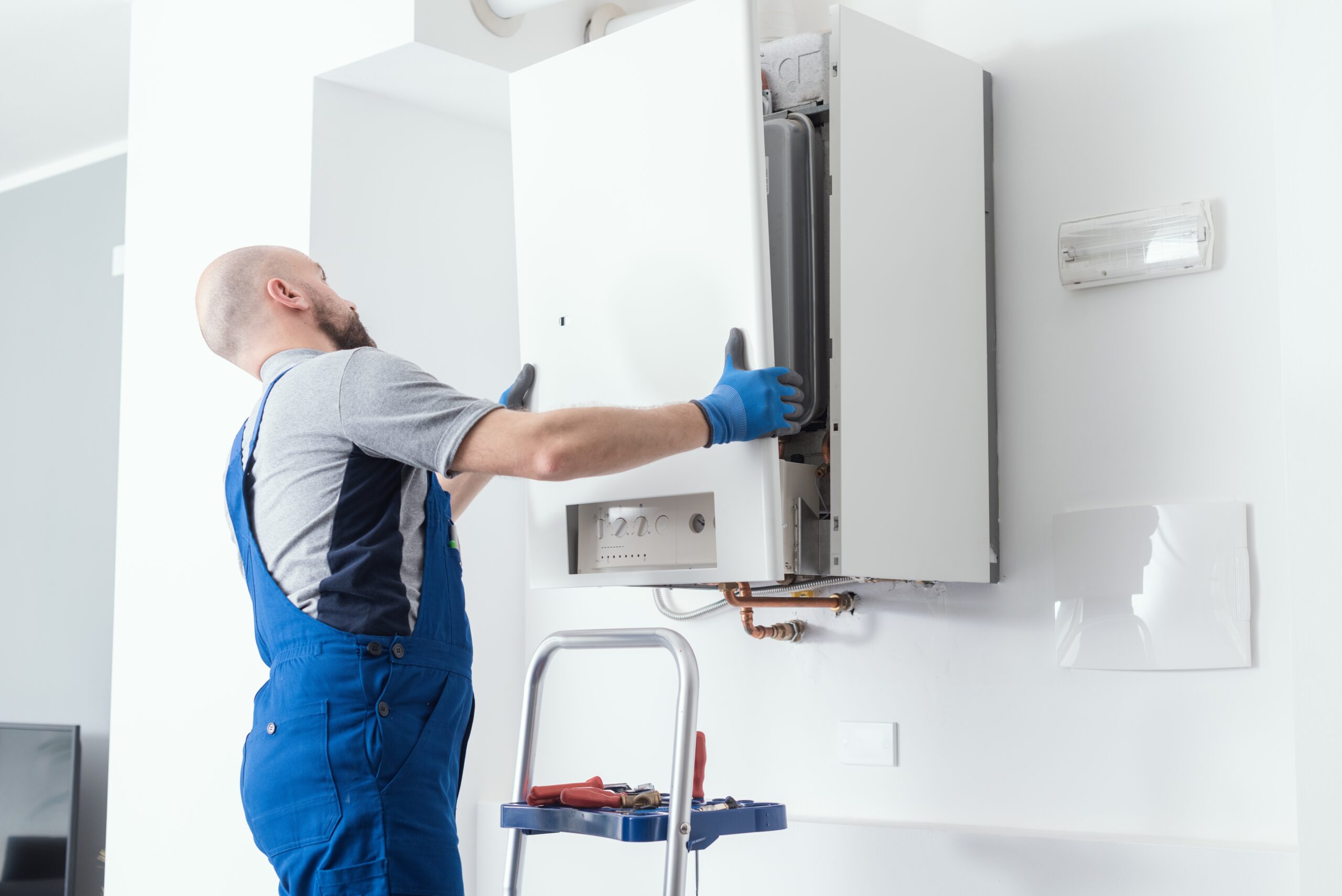

Keeping up with mortgage payments is a huge responsibility for homeowners. But that’s not where the obligations of home ownership end.
Conducting routine home maintenance can feel overwhelming while you’re already working hard to make those monthly payments.
But establishing a regular home inspection, maintenance, and home improvement schedule is what actually protects your mortgage investment, preventing future repairs that will only increase your monthly deficit in the process.
That said, there are some organizational tips and storage unit hacks you can employ to make tackling your Yearly Home Maintenance Checklist more than just manageable, but a pleasant and rewarding experience.
After all, leveling up to the point of being the primary caretaker of your living space is an empowering experience! To help you actualize that potential, we’ve put together this helpful guide to annual home maintenance. We’ll reveal how to take care of a house in small steps.
Rather than trying to tackle these tasks all at once, our yearly home maintenance checklist is season-by-season.
You’ll see how inspecting, maintaining, and repairing the wearing aspects of your house while it’s still simple and easy is far more manageable than waiting until serious problems surface. We’ll also reveal how scoring a cheap storage unit using Storage.com can streamline the home maintenance process.

Why Annual House Maintenance Matters
Conducting annual house maintenance provides both financial and practical benefits, allowing homeowners to catch small issues before they blow up into expensive problems.
Much of our seasonal checklist is just putting your eyes on stuff and conducting a home inspection. If something seems off or different from how it looked during your last annual inspection, you can bring in a pro home inspector and catch things while the fixes are still affordable.
Preventing maintenance issues rather than reacting to intrusive problems preserves your peace of mind and keeps your living condition stable and your family safe. It also protects your home value, ensuring your resale potential isn’t cut down to a fraction because of a problem you could have fixed easily if you caught it earlier.
And that’s not to mention how your home insurance might cover something that goes wrong if you catch it early. If you let it fester and get worse, they may chalk the damages up to negligence and refuse to cover the repairs.
Why Inspecting Your Home Appliances, Tools, and Equipment Matters
It’s not just your house you’re protecting by following our yearly maintenance checklist. We’ll inspect your appliances and conduct HVAC inspections to help all your equipment stay safe, functional, and hold its value.
The best part is that you don’t have to conduct an annual home inspection all at once. Our checklist is made up of four mini seasonal checklists.
You can divide the seasonal checklist into three smaller monthly inspection lists and cross a few things off each list once a month. Or you can set one day aside per season to knock the whole list out and do four inspection days per year.
- Some of our storage tenants who double as homeowners use their storage units to store seasonal items and tools to keep their workspace clear.
- They’ll time their seasonal home inspections with their storage unit seasonal item swap day.
- First, they inspect all the seasonal tools, sports gear, and equipment before they rotate them into storage.
- Then, they inspect the rest of the house in the process.
Now that we understand why it’s important to conduct an annual home inspection, let’s take a look at the most practical system to employ: the yearly home inspection checklist, divided into four seasonal checklists.
How to Take Care of a House: The Seasonal Home Maintenance System
A practical and manageable home maintenance system embraces a methodical approach, starting with creating a maintenance calendar. Make sure it’s realistic, meaning that you’re giving yourself plenty of time to complete each task.
We suggest building a go-to contractor list for all systems and appliances, so you can call and report issues as you find them, request a specialized home inspector to come out and let you know the next maintenance steps while the issues are still minor.
Keep records of your home system and appliances. Document the details of the inspection, maintenance, and repair dates and receipts for all supplies and service calls. This can come in handy for any insurance claims, city inspections, rental permits, and selling the property down the road.
Keep track of the tools you use for each seasonal checklist and assemble a home cleaning and maintenance toolkit. Making a separate annual home maintenance toolkit allows you tostore your tools somewhere where they’re both safe and out of the way for most of the year.
A storage unit is an affordable and secure option for storing your renovation supplies, extra materials, and seasonal tools, organized and accessible. But if you’d prefer to be on your property without cluttering your garage, a portable storage container might be more your speed.
Now that we’ve got our tools, contractor contacts, and record-keeping systems on standby, let’s start on our season-by-season yearly home maintenance checklist.
We suggest you jump into whatever season you’re in at the time of reading. For the sake of our article structure, we’ll start with the cliche–spring cleaning.
Spring Home Maintenance Tasks
Before you get started on your spring cleaning home checklist, you’ll want to hit your storage unit. Swap out all your winter equipment, like snow blowers, skis, and snowmobiles, for winter sports gear for spring and summer items like lawn care equipment, camping gear.
Exterior
- Roof inspection: Inspect both the roof and rain gutters for any signs of winter damage. A thorough roof inspection includes checking for any holes, cracks, shingle damage, seal breaks, or standing water.
- Downspout and Gutter Cleaning: While you’re up on the ladder, it’s also time to clean the dead winter leaves and other outdoor debris out of your rain gutters. If there’s any standing water in there, be sure it drains as soon as you’ve cleared the debris. You can also run some water through them to be sure they’re draining properly before the spring rain hits.
- Check exterior paint and caulking: Paint does more than just make the outside of your house look nice–it’s a sealant that serves as the first line of defense against water intrusion. Check all the caulking and paint for any chips, cracks, or breaks in your house’s outer seal. Repaint and recaulk any gaps you find.
- Inspect the foundation for cracks: While you’re scoping the outside of your house for cracks, be sure to check that no cracks have formed in the foundation. Make sure the foundation appears to be level, and check for any early signs of sinking or any other changes.
- Test outdoor faucets and sprinkler systems: Make sure the freezing temperatures of winter didn’t overload or bust your irrigation systems.
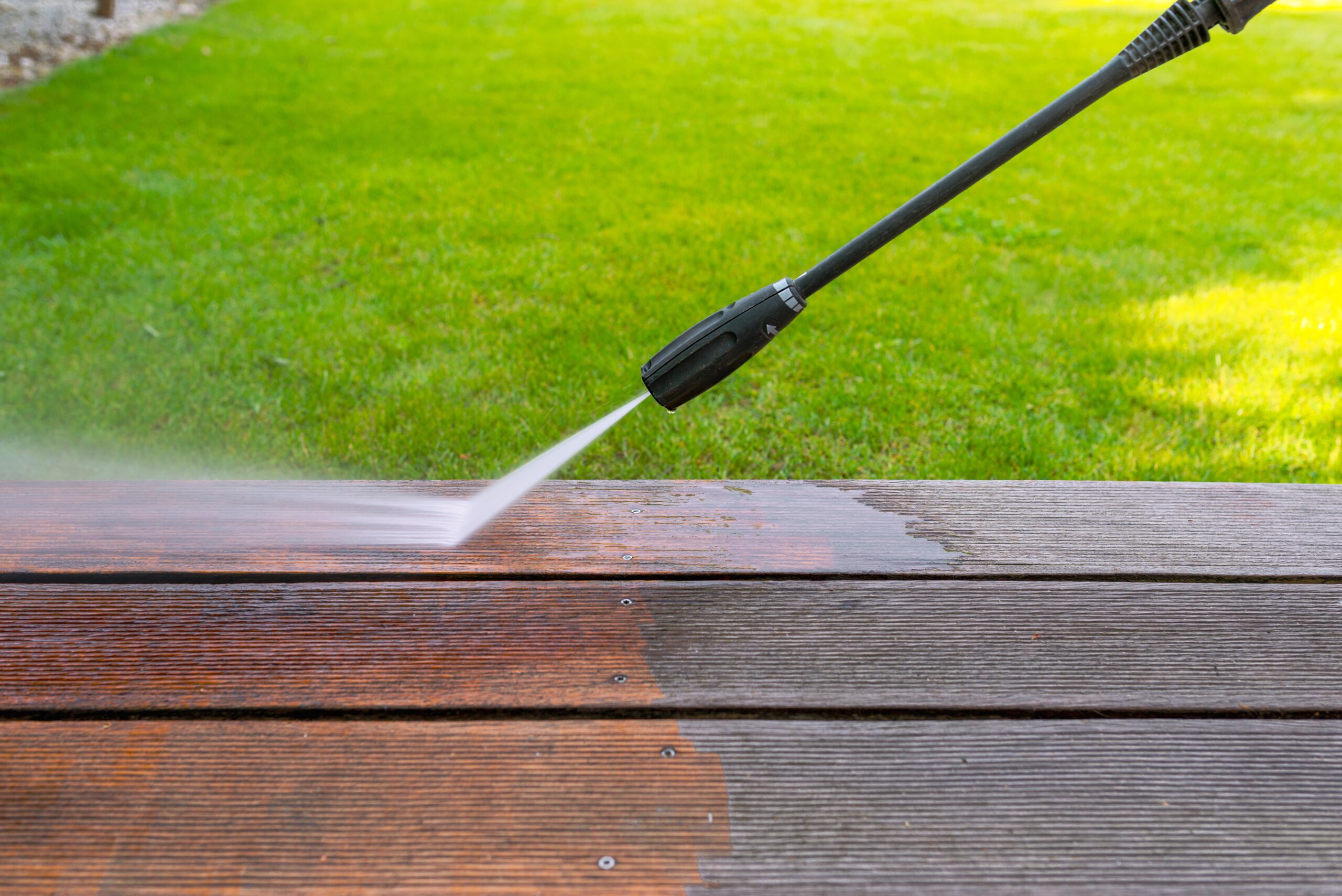
- Power wash siding and deck: Cover all your doors, windows, lights, vents, and decorations, and blast off all the grime, dirt, and debris that settled on the outside of your house over the winter.
- Inspect and repair deck/patio surfaces: Check the wood, concrete, flagstone, or material forming your deck and patio surfaces for winter damage and touch them up as needed.
- Clean out your sewer lines: If you have some older trees on your property, there’s no telling how deep their roots can run. A professional can clean out your main sewer line and ensure there’s no root damage. If you have a septic system, we suggest inspecting and pumping it out at the start of Spring. Have your septic tank inspected by a pro every 3-5 years.
- Spring Landscaping:
- Lawn Care: Depending on your home climate, you may have had to keep up with mowing your lawn all winter. Regardless, now that spring’s here, it’s time to hit the lawn. Take your landscaping supplies out of storage if you haven’t already, and reseed and fertilize your grass.
- Trim trees and shrubs: Cut away any shrubs that are growing up against your house. Trim back the branches that are growing towards your windows and walls or looming above your roof or other outdoor structures. Trimming trees does more than just keep your property safe from damage. It also maintains the tree’s health.
- Mulch garden beds: Pull all the weeds from your bed. If you live in a region that freezes, the weeds may be good and dead after winter, but not always–pull weeds even if they’re dead. Add some fresh mulch and prep the soil for spring gardening.
Interior
- Service garage door opener: Check the garage door‘s power supply and inspect the wiring. Inspect your circuit breaker, replace the batteries, and test the safety features as needed. If you run into any hiccups, you can call a garage door service worker in your area to inspect and repair as needed and make sure it’s good to go for another year.
- Service HVAC system: HVAC units include any aspect of your heating, ventilation, and air conditioning system. Replace all your HVAC filters to start. You may have a centralized ac and heating system, or you might use space heaters, radiators, and window air conditioners. We suggest having centralized HVAC systems inspected by a pro once a year at the start of spring to keep your air quality optimal and extend the life of your HVAC units, switching the system to cooling mode in the process. If you don’t have a centralized system, it’s time to put your space heaters in storage and bust out your window units, cleaning both as you go.
- Test smoke and carbon monoxide detectors: Keep your house’s air quality by testing your carbon monoxide detector, smoke detectors, and smoke alarms. Replace the batteries and the devices as needed.
- Inspect the attic: Dust the attic, check it for leaks or pest activity, and call a plumber or pest control as needed.
- Mold Inspection: Spring is an ideal time to check for mold. Start with any place that’s prone to trapping humidity. Tub sealant, bathroom tiles, and sink drawers and cabinets are all potential places where mold can breed. Clean any mold you find immediately, and test the air for mold to be sure there aren’t any spores in the air. Hire a pro as needed.
Summer Home Maintenance Tasks

Summer home maintenance is focused on prepping the outdoor space for bugs and heat and tackling renovation projects. Homeowners can streamline their renovation projects by renting temporary storage to protect furniture and create workspace, or to store tools and materials for ongoing projects.
Exterior:
- Inspect and clean window screens: Inspect all your window screens for holes, rips, tears, or bends in the screen frames. We suggest you knock this out early in the season, before the bugs start hatching.
- Spray for bugs: Once your window screens are secured, you can get even further ahead of bug season by spraying insect repellent around the perimeter of your windows.
- Check grading and drainage around foundation: Inspecting your foundation for grade issues and pooling water helps to ensure your property will drain properly during heavy rains. You can add soil to slope the water away from your foundation, or cut some drain canals into the earth to move standing water away.
- Seal driveway cracks: Inspect your driveway for cracks and divots, cleaning out any debris from the cracks using a high-pressure hose or wire brush as you go. Allow the driveway cracks to dry out, then seal them with a high-quality asphalt or concrete filler, following the manufacturer’s instructions. Smooth the surface out with a putty knife or trowel and make sure they’re level.
- Inspect deck railings and stairs for stability: Check your outdoor railings and stairs for any signs of rot or looseness. Replace any damaged wood and tighten any loose screws or fasteners as needed. Treat all wooden stairs and railings with waterproof sealant before moving on to the summer home maintenance list.
- Clean and inspect chimney: Use a chimney brush to clear soot and debris from the chimney flue, working from the top down or bottom up, depending on whether you’re accessing it from the fireplace or rooftop. Once it’s clean, inspect your flue liner with a flashlight, looking for any cracks or damage. Make sure the chimney cap is snug enough to keep critters from sneaking in.
- Trim vegetation touching the house: We suggest pruning the shrubs again in the summer, since spring and summer rain may cause some overgrowth, since you trimmed them in the spring. Leave a one-foot gap between any plants or vegetation and your house’s exterior walls to aid the airflow, reduce the risk of moisture buildup, and keep bugs and animals far away from your siding.
Interior:
- Deep clean dryer vents: Unhook your dryer from the power outlet. Remove the vent hose and clean it with a vacuum attachment or dryer vent brush, ensuring it’s free of any lint buildup. Check the outside of the dryer vent cap to make sure it opens, and remove any lint or debris blocking the vent cap or duct.
- Inspect plumbing for leaks: Water flows freely in the summertime, and pipes expand. Summer is a good time to check under sinks, around toilets, and along any visible pipes for moisture, drips, or water stains, which indicate leaky pipes. You can fix any minor leaks by replacing washers or sealing joints with plumber’s tape. If these small fixes don’t do the trick, or if your pipes are cracked, we suggest bringing in a pro plumber.
- Check windows and doors for air leaks: You can wait until there’s a windy day to knock your air leak inspection off the list. Or you can put a fan outside and aim it at your window or door. Keep the doors and windows shut and pass a lit incense stick or candle around the edges of windows and doors to detect drafts. If the smoke flickers or wavers, you’ve got an air leak. Seal any window or door leaks with fresh weatherstripping or caulking.
- Clean refrigerator coils: We suggest timing your fridge inspection right before you need to go to the store and stock up on groceries. When the fridge is near empty, unplug it and move it away from the wall. Keep the door closed to hold in the cold air. The coils are typically either on the back or the bottom. Vacuum the coils with a brush attachment or clean them with a coil cleaning brush until they’re free of dust and debris.
- Clean your interior walls and touch up the paint: Dust off your walls, then spot clean any grease, dirt, or stains off of them with a gentle cleaning solution. This process removes both dust and allergens that may have settled during the spring, improving your air quality. Paint over any cracks or peeling paint using a color that matches. You can save money by buying the matching paint in bulk, storing it in a climate-controlled storage unit, and using the same paint during next summer’s annual house maintenance.
- Clean out the garage: Reorganize your garage, getting rid of what winter and spring clutter you can by donating or moving things into your storage unit or shed as needed. Sweep your garage out and make sure there’s enough space to keep your car in there, safe from harmful UV rays and any summer storms.
- Inspect your water heater: Check your water heater for leaks by checking the base or drain pan for water damage, pooling water, or debris. Check the water temperature gauge, ensuring it’s set around 120 degrees Fahrenheit and that it’s holding temp. Be sure it’s not making any strange sounds. If it’s a gas water heater, ensure the ventilation is functioning properly.
- Check your smart home tech: Inspect any motion sensors and security lights, doorbell cameras, security alarms, etc. We suggest inspecting your electrical cords at this point, too. Keeping your smart home tech functional not only keeps you and your family safe but also maintains a lower home insurance rate and ensures coverage in case of vandalism or theft.
Fall Home Maintenance Tasks

The yearly home maintenance checklist items for fall are largely based on transitioning out of the warm weather and prepping for the upcoming cold. Fall is when people move warm-weather recreational items like boats, motorcycles, jet skis, patio furniture, and summer camping and hiking gear into climate-controlled storage for the winter.
Exterior:
- Inspect and repair the roof before winter: The fall is the time for your second yearly roof inspection. Check the roof for damaged shingles, cracks, standing water, broken seals, or leaks, just like you did in the springtime. We suggest going up on the roof and inspecting it directly if you’re physically able. If not, you can use binoculars and attempt to check the roof from the ground. We suggest doing your fall roof inspeciton inspection early in the season to prevent any issues from getting worse during winter storms.
- Seal gaps around windows and doors: Seal any gaps around windows and doors with weatherstripping foam tape to prevent heat loss. Thorough weatherstripping in the fall helps to maintain your warm indoor temperatures and lower your energy bills during the cold winter months.
- Drain and store outdoor hoses: Unhook your hoses from the outdoor faucets and drain all the water out. Store your hoses indoors in a climate-controlled storage space to prevent them from freezing, cracking, or bursting.
- Shut off exterior water valves: Find the shut-off valves for all your outdoor faucets and turn them off to kill the water supply at the source. Drain any remaining water from the pipes by opening the faucets until you confirm that the water stops flowing. We suggest you leave the faucets slightly open with the water source off, which alleviates pressure and prevents them from freezing during the cold winter months.
- Insulate outdoor plumbing: Insulating your exposed outdoor pipes can protect them from damage at the hands of freezing temperatures and keep your plumbing system functioning properly all winter long. First, you wrap your exposed outdoor pipes with foam insulation sleeves. Then, you secure the insulation sleeves with duct tape so they hold up against winter storms and blasting wind.
- Check siding for damage: You’ll want to inspect your house’s siding again in the fall, just like you did during your Spring home maintenance. Walk around the outside of the house and inspect the siding for cracks, warping, or other signs of damage. Repair or replace any damaged sections of siding to insulate your home against moisture and protect it from animals and bugs seeking warm shelter from the cold.
- Inspect walkways and steps for trip hazards: Examine walkways and steps for cracks, uneven surfaces, or loose edging. Make sure there are no signs of standing water, as this will freeze into hazardous patches of ice once the temperature drops. Repair any hazards as soon as you find them to maintain a safe walkway during the upcoming icy and snowy weather.
- Clean gutters again (after the leaves fall): During your spring gutter inspection, your focus was on cleaning out the winter debris. At the end of the fall, after all the leaves have dropped, we suggest you inspect and clear out your gutters again. Use a ladder and remove any leaves and debris by hand or with a gutter scoop. Test the gutters to ensure the water flows and drains uninterrupted, as standing water will turn to ice dams once winter comes.
Interior:
- Reverse ceiling fan direction: Change the rotation direction of ceiling fans to clockwise. A clockwise-set ceiling fan pulls air into an updraft motion that helps distribute warm air throughout the room.
- Service heating systems before winter: Fall is the time to schedule a professional inspection of your heating system, including the furnace or boiler. They’ll replace any worn parts and update your thermostat settings. You’ll want to be sure your heat is working safely and effectively before winter hits and prices increase, and service worker availability slims out.
- Replace HVAC filters and winterize A/C: Swap out old HVAC filters for new ones to improve air quality and efficiency. Cover your air conditioning units with tarps to protect against the wear and tear of winter weather.
- Inspect fireplace: Examine the flue, chimney, and surrounding area for any blockages or cracks and fix as needed. Air leaks and blockages are not only a fire hazard, but can also cause smoke or toxic gases to blow back into the house.
- Check insulation in attic: Inspect the attic insulation and add more if needed to maintain proper heat retention and prevent energy loss. Keeping your insulation at the recommended thermal resistance rating can save energy come winter.
- Test sump pump: Pour water into the sump pit to test how well your sump pump is working. Confirm that it activates and drains water efficiently to prevent flooding from rain in October or from snowmelt after winter storms.
- Bleed radiators if applicable: Open the bleed valve on each radiator with a radiator key to release trapped air, ensuring efficient heating. This process should be done periodically to maintain a comfortable living environment.
- Inspect weather stripping on doors: Check the weather stripping around your doors, replacing any worn or damaged segments as you go. Not only does keeping your weather stripping intact help to seal out drafts, but it can also help you save money on your energy bill.
Seasonal Transition:
- Store summer furniture, grills, and equipment: Clean and dry all outdoor furniture, grills, and equipment. Then, store your outdoor equipment in a storage unit or garage.
- Prepare snow removal equipment: Service and test snowblowers and other snow removal tools to be sure they’re up to par when you need them. Stock up on de-icing products and shovels, organizing them for easy accessibility when winter arrives.
Winter Home Maintenance Tasks
Exterior:
- Gutter Cleaning and Roof Inspection: Inspect and clean gutters of frozen leaves and debris to keep ice dams from forming. While you’re up on the ladder, take a peek at the roof for ice dams, which can cause serious roof damage. Don’t climb on the roof to check for the dams–use binoculars if you can’t see from the ladder. If you notice ice dams have already formed, call a professional to clear them out and isolate the cause of the water buildup. We don’t suggest climbing onto an icy roof and clearing the ice dams yourself.
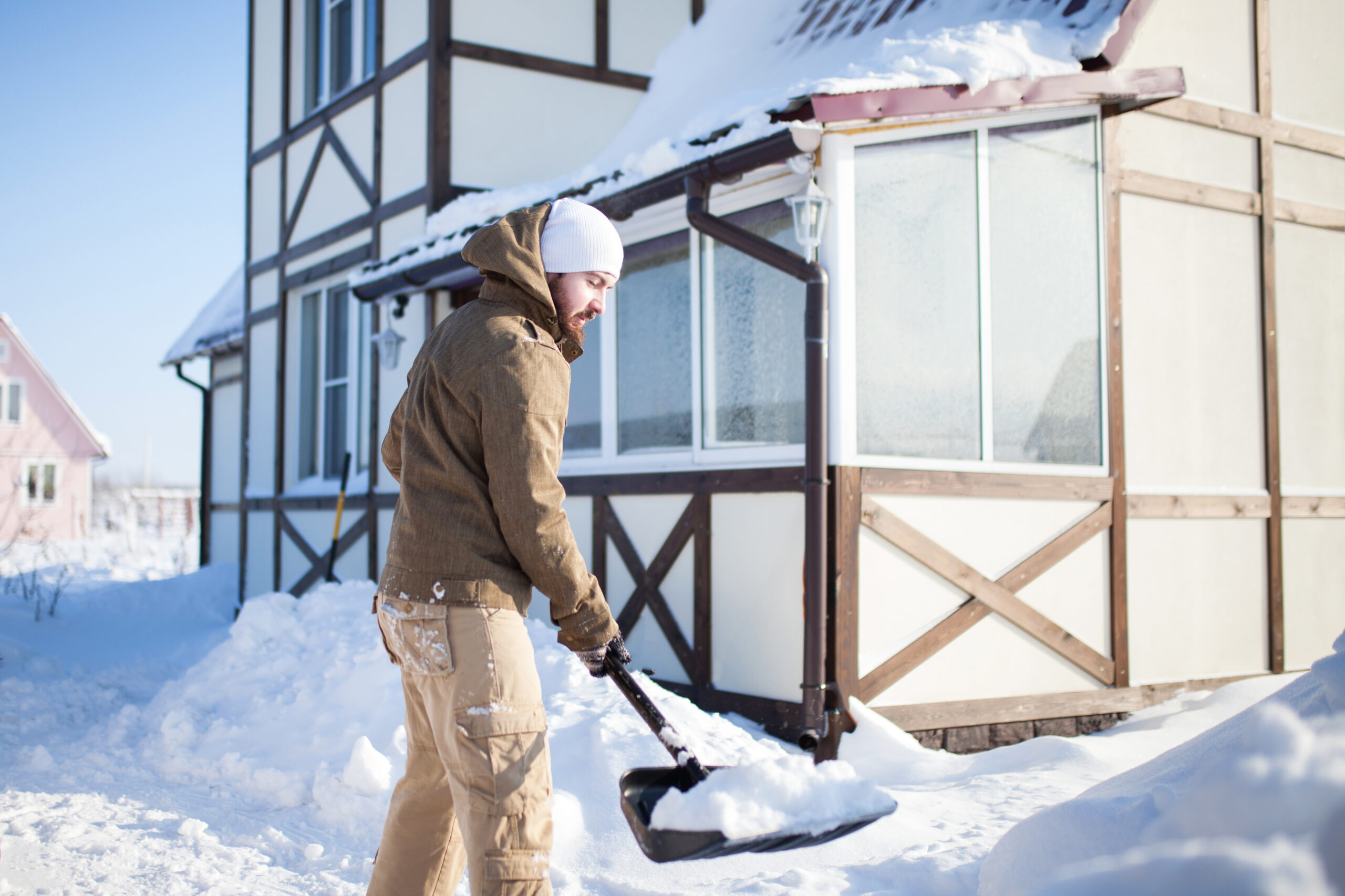
- Snow Removal: Shovel and clear snow from walkways and driveways as soon as it stops coming down. Keeping the walkways and driveways clear and snow-free prevents pedestrian and car accidents, stops your vehicle from getting stuck, and slows down the winter wear and tear.
- HVAC Units and Air Vents Upkeep: Keep snow and debris cleared away from HVAC units and air vents to be sure your HVAC system runs smoothly for the winter season.
- Pipe Monitoring: If you didn’t insulate your outdoor pipes during your fall maintenance, do it as early in the winter season as you can. When temperatures drop below freezing, monitor your outdoor pipes and any pipes in unheated areas of the home for freezing, which can cause leaks and pipe bursts.
- Exterior Damage Inspection: After storms, inspect the outside of your home for any signs of damage. Repair any damage as soon as possible to prevent it from deteriorating in the cold and getting worse.
- Furnace Maintenance: Inspect your furnace throughout the winter, since it’s typically working overtime to keep the house warm. Check your furnace filters once a month during the winter season, replacing as needed to keep your furnace performing effectively while maintaining your home’s air quality.
- Draft Sealing: Check for drafts around windows and doors. Seal any gaps you find with caulk or weatherstripping to keep your house insulated and prevent your costly indoor heat from escaping.
- Flush Unused Drains: Flush your unused drains with water to prevent plumbing back-ups and pipe gas buildup from entering your home.
- Moisture Check: On the warmer winter days, when snow and ice are melting, inspect the basement, attic, and any crawlspaces for signs of moisture or leaks. Address any moisture or leaks you find immediately by bringing in a pro plumber to isolate the source and prevent mold growth or ice damage.
- Outlet Testing: Winter is when we suggest testing all the ground circuit outlets in your home. Use a multimeter set to test AC Voltage or an outlet tester, and be sure all your outlets are reading between 110 and 120 volts.
- Humidifier Cleaning: Winter is a popular time to run humidifiers, especially in cold and dry climates. Clean your humidifiers in accordance with the manufacturer’s suggestions to prevent mold and bacteria build-up, preserving your air quality.
Winter Equipment Management:
- Snow Removal Equipment: Maintain your snow removal equipment, like shovels and snow blowers, throughout the season. Clean them well after each use to prevent rusting and moisture damage. Make sure they’re in the garage in an easily accessible place. Use a self-storage unit to clear up garage space for the season.
- Store Holiday Decorations: There are lots of holidays that take place in the wintertime, and we often decorate differently for each one. We suggest storing your holiday decorations in a storage unit. Take them out one at a time, and then swap them for the next set of holiday decorations once the previous holiday ends.
How To Take Care of a House with Monthly and Ongoing Maintenance Tasks

Some home ownership tasks shouldn’t wait for seasonal schedules and should be conducted regularly. These tasks include:
- HVAC filter changes: Change your HVAC filters monthly or per the manufacturer’s recommendation.
- Test smoke and carbon monoxide detectors: Test your smoke and carbon monoxide alarms and check the batteries once a month.
- Clean garbage disposal: Send some ice cubes down your food waste disposal by grinding ice cubes and flushing them with hot water once a week. Add baking soda to the hot water mix once a month.
- Check under sinks for leaks: Inspect the area under your sink twice a month for leaks, once while running the sink, and once while you’re running the dishwasher.
- Inspect fire extinguishers: Inspect your fire extinguishers for signs of leaks or swelling once a month. Check the expiration date, if it has one, and be sure to replace it before it expires.
- Run water in unused bathrooms: Run water from the faucets of any unused sinks, showers, and tubs once a month. Flushing the pipes, faucets, and drains.
- Check water softener salt levels: If you use water softener salts, inspect your brine tank once a month. Make sure the salt is at least half full, and that there aren’t any salt bridges or clumping forming. Refill the salt and break up clumps as needed.
- Visual inspection of water heater for leaks: Check your water heaters for visual signs of leaks once a month.
Major Systems: 5-10+ Year Maintenance Tasks
Other home maintenance items don’t need to be done once a year and hence won’t appear on your yearly home maintenance checklist. That said, these tasks need to be handled once every 5-10 years, and can be a large and expensive undertaking.
We suggest setting aside 1-2% of your home’s value a year for these larger home improvement projects, so you have a budget when the time comes. These large ticket items on longer-than-annual home maintenance cycles include:
- HVAC system replacement: 15-20 years
- Water heater replacement: 8-12 years
- Roof replacement: 20-30 years, depending on the material
- Exterior paint: 5-10 years
- Deck refinishing: 2-3 years
- Driveway sealing: 2-5 years
- Replacing appliance (oven, refrigerator, washer, dryer, microwave, hot water heater, etc.): As needed
- Window replacement: As needed
Creating Your Personalized Yearly Home Maintenance Checklist
The in-depth yearly home maintenance checklist we outlined above is meant to be a baseline that any homeowner can use to get started. Your home may not have every appliance or feature on the list. Or your home may be built differently, with the steps it takes in completing a task being more or less involved than those we briefly outlined.
To get the most out of our annual house maintenance checklist, we suggest downloading it and printing it out. Read over the whole checklist–all for seasons– noting your home’s specific systems and their maintenance requirements and how they vary from what we have on our checklist.
The weather in your climate or region may also be more or less severe. For example, if you live somewhere where it doesn’t freeze during the winter, you probably don’t need to check for ice dams unless a freak winter storm hits.
Once you’ve customized our yearly home maintenance checklist to address your home’s specific needs, we suggest scheduling a year ahead, dedicating specific weekends or days off to each task. Set reminders on your phone or calendar, and keep a maintenance log of each task you complete, with notes about damages and repairs.
We recommend using an organized storage system to keep your maintenance and project materials easy to find. You can keep your home maintenance storage system in your basement, garage, or storage unit.
Some of these tasks require tools you won’t use often. An off-site storage space may be the ideal choice so you don’t take up space with tools and materials you’re only going to use once or twice a year.
Let’s take a closer look at how to use a self-storage facility to aid your home maintenance routine.
When to Use Self Storage for Routine and Annual Home Maintenance
As storage experts first and foremost, we wouldn’t be doing our due diligence if we didn’t tell you how to use self-storage solutions to streamline your annual house maintenance process.
Home Renovations
For starters, you can use a storage unit to protect your furniture, decorations, art, and other belongings from dust and damage during home improvement renovations.
Keeping these items out of harm’s way also creates a workspace for the contractors and repair workers.
And if you do your own home improvement repairs, a storage unit is a great place to store materials you used during past projects, so you don’t have to buy the same stuff all over again next time.
Seasonal Equipment Rotation
Rotating seasonal equipment in and out of a storage unit can help reduce the amount of clutter in your garage.
For example, when summer ends, you can put your lawn equipment, patio furniture, and boat into your storage unit and take your fall maintenance materials like pipe insulation out.
When fall ends, swap your fall gear for your snow blower, skis, and holiday decorations.
This seasonal rotation can help you save space for parking vehicles and keep your frequently used tools easily accessible and at home in your garage.
Plus, a typical garage isn’t insulated and temperature or humidity-controlled. You can get a climate-controlled storage unit to keep your more sensitive items safe.
Between Homes or During Transitions
A storage unit is a safe and convenient place to keep your personal belongings when living with friends or family in between places, or downsizing to a smaller living space. And if you’re selling your home, you can put personal things in storage so you can make your house look neutral and stage it for potential buyer viewings.
A storage unit also keeps personal items, specialized tools, paint, and supplies safe during major home repairs.
The Benefits of Using Self-Storage:
The benefits of using self-storage include:
- Flexible rental terms: from month-to-month rental agreements to long-term leases
- Different storage unit sizes are available to match your needs
- Security features protect your valuable equipment
- Easy accessibility thanks to features like drive-up storage and 24-hour access
How to Take Care of a House: Storage.com Can Help You Choose the Right Storage Unit
When it comes to storage unit prices, the larger the unit size, the lower the price per square foot. That said, the overall monthly price still increases. So if you get an item that’s bigger than you need, you’re paying for space you’re not using.
You can use our storage unit size guide to find out the appropriate size for your needs. Our guide shows you a bird’s-eye view of the layout and breaks down common uses for each size.
Some items need climate controlled storage, including furniture, electronics, tools, and sensitive seasonal items. And last but not least, you want to find a unit at a facility in a convenient location.
You might look for one that’s close to your house for quick trips. Or maybe you want one that’s halfway between your job and your house so you can stop by on the way home from work. Punch your zip code into our signature Storage.com locator tool and use the map there to find a storage facility closest to where you want your unit.
Taking care of a house doesn’t have to be overwhelming. An annual house maintenance system, divided into seasonal checklists, helps you space the process out and stay organized.
Our yearly home maintenance checklist breaks down tasks into manageable seasonal chunks. The key is consistency–tackle these tasks as they come up rather than waiting until early signs of problems become expensive emergencies.
And there’s no shame in bringing in a professional when you find a symptom of change you don’t recognize or an issue you don’t know how to fix. On the contrary, smart homeowners know when to get help, whether that’s hiring professionals for specialized tasks or using storage to stay organized during projects and seasonal transitions.
Our homes are often our most significant investment. Organizing and carrying out our annual house maintenance strategically protects that investment while keeping our living space safe and comfortable.
So don’t wait–download our printable yearly home maintenance checklist and start planning your year of home maintenance today!