Article takeaways
- Use the 70% rule to avoid overpaying. This ensures your flip remains grounded in math instead of emotion.
- Choose your crew ASAP to avoid frustrating contractor delays that can wreak havoc on your profit margin.
- Leverage off-site storage units. This is one of the best house flipping tips, because it keeps personal or precious items safe from damage and keeps your job site clean and efficient.
- Your build should not exceed the aesthetics or value of the neighborhood it’s in. You want to be among the most affordable homes on the block for the best returns on your investment.
- List during peak season. Time your construction accordingly, so your investment doesn’t sit on the market costing you thousands as you wait for a buyer.
You’ve probably seen the house-flipping TV shows: The jovially unstressed rehabber is effortlessly slinging paint in flawless designer togs, as top-notch construction crews seamlessly execute greatness in the background. If you aren’t already an experienced flipper, perhaps you were inspired.
The truth is, house flipping can be a complicated and frustrating process that requires very careful planning, vetting and strict adherence to budgets to ensure a successful buildout and sale. Anything can go wrong along the way, and unexpected issues can quickly drain your investment of its value without foresight and preparation.
If you’re new to flipping homes or just looking for a refresher, you’re in the right place. We’ll walk you through running the numbers before you buy, vetting contractors successfully, using off-site storage to save money, building without over-improving, and how to strategically time your build for peak sales season. Let’s get into it.
The 70% Budget Rule: Hammering Home the Importance of Financial Restraint When Flipping a House
House flipping tip no. 1: Never fall for a flip. As attractive as a potential rehab property may be, play it cool and run the numbers first, to ensure you don’t build something together that will only end in heartbreak. Commit only if the 70% rule is in your favor: Don’t pay more than 70% of the home’s after-repair value (ARV).
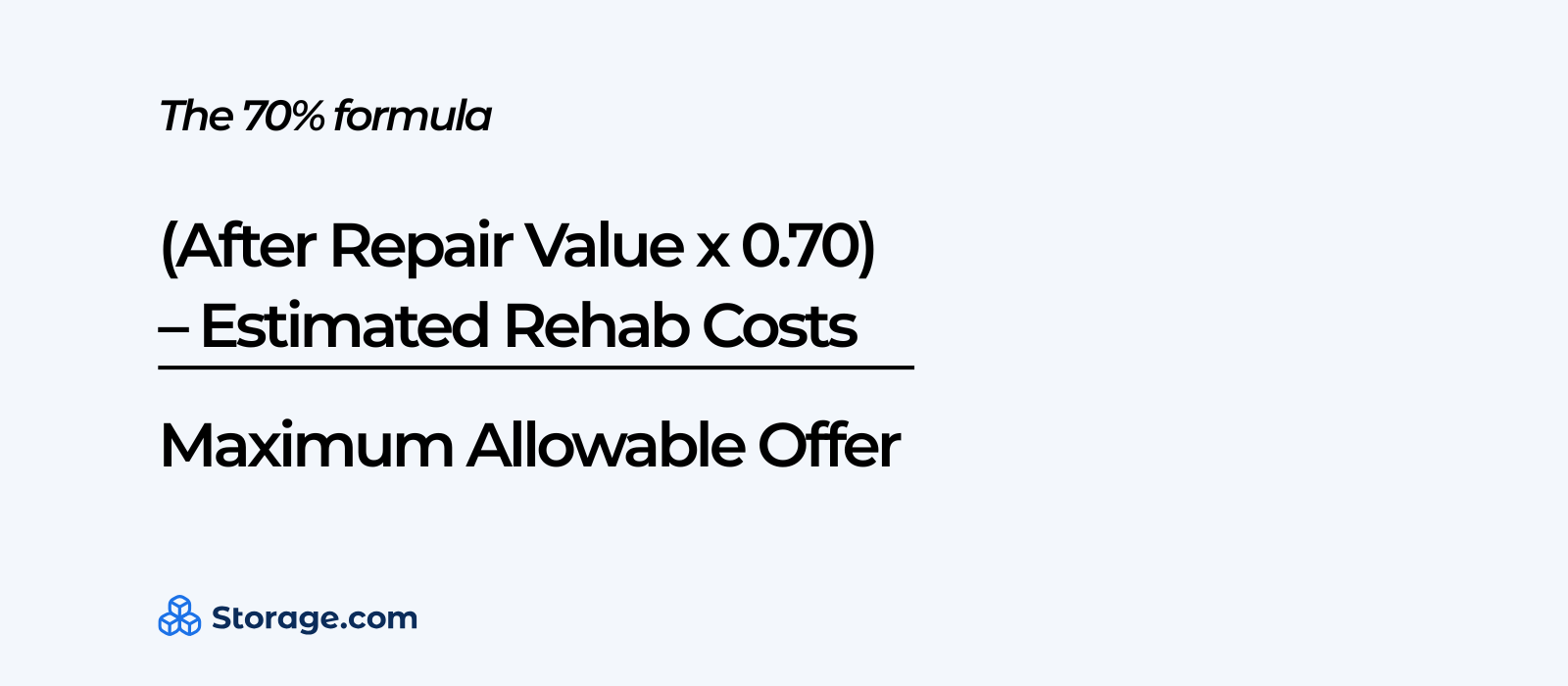
Here’s how the 70% formula breaks down: Maximum Allowable Offer = (After Repair Value x 0.70) – Estimated Rehab Costs. ARV is what the completely renovated house should reasonably sell for, and is determined by pulling recent comparable sales data from the MLS. Remember to use hard data and not optimism here, if you care about your money. And because you do care about your money, know your margin and let it guide you. If a home’s ARV is $300,000 and the estimated rehab is $50,000, your max offer should be about $160,00. Anything above this ceiling devours your margin before any work begins.
There are house flipping tools to take the mystery out of all this and help with a quick and accurate analysis. Try property flipping calculators like DealCheck or BiggerPockets that help determine expenses, request MLS comps through a local real estate agent or a PropStream subscription, and get a detailed scope of work from your contractor with line items and costs clearly outlined. This information will help you stress-test your numbers and avoid nasty surprises mid-project.
Frame Out Your Builders’ Network: Get an Early Start on Choosing Your Contractors
Time is money on any reno or rehab project, and trust in the team you’ve hired is key. Workers who don’t show or who don’t deliver as expected could cost you in stress and in margin, due to weeks of idle time.
One of the most practical house flipping tips experienced investors recommend is to build your network of contacts before you ever need it. Attend local real estate investor meetups, read reviews on websites and social media and ask your agent for referrals. Collect multiple bids on jobs to evaluate reliability and quality, request references, and don’t trust or hire anyone until you have fully vetted them.
Project management apps like Buildertrend, Coconstruct, or just a well-constructed spreadsheet can help with deadline and project tracking, budgets, timelines, schedules and change orders.
Our handyman task guide also provides a useful organization list and resources for first-time flippers.
Use a Storage Unit: Declutter, Protect and Streamline Your Flip
Our handy house flipping tips would be remiss if we didn’t mention the surprising value of renting an off-site storage unit for use during your renovation.
The logic is simple: Clutter and disorganization on your job site create hazards that inconvenience workers and risk damaging your personal belongings. It’s also extremely difficult to stage a property for showing to prospective buyers if it remains packed with the owner’s belongings. An off-site storage unit removes all this friction in a single solution.
During demolition and renovation, off-site storage units are perfect staging areas for large appliances, fixtures, doors, and hardware that will be needed at different points during construction. They are also ideal for stashing reusable or sellable salvaged materials. If your renovation is zoned for business, a storage unit can house inventory and business equipment during construction.
Storage facilities provide secure, climate-controlled storage for sensitive items and building materials, so you are assured your property is safe and protected. Look for facilities that offer 24/7 surveillance, gated entry and drive-up access for ease of loading and unloading. Some companies also offer moving truck rentals to simplify the entire process of hauling your belongings to and from your unit.
If you’re debating whether to budget for the monthly cost of a storage unit, consider how much project delays or even on-site injuries could cost you. Storage units help you avoid these risks, and improve efficiency on your site. An off-site storage unit is ideal for work sites with limited space, sites rife with pre-build clutter, or homes that need to be cleared out before reno and staging.
Don’t Over-Improve for the Neighborhood: Cost-Saving House Flipping Tips That Protect Your Investment
Every neighborhood has a price ceiling, which can be assessed by checking out the most expensive home on the block. There is a maximum value buyers will pay per location, regardless of how beautifully done the property is. As you build, remember to choose finishes and products that meet the market without exceeding it.
House flipping tips for scoring the highest returns on investments include focusing your spending on kitchen and bathroom updates, and sprucing up the outside with flowers and blooming shrubs for a little curb appeal. You can do quite a lot with a little if the overall structure is sound, so there’s no need to go overboard to impress if you can reasonably do less with the address. A home refreshed will still be among the best, and a standout from the rest.
This also saves you money. Everybody wins.
Successful Sales Tips for Flipping Houses: For a Quick Sale, Plan in Advance & Work With Pros
You want your build to successfully conclude just in time for peak listing season in your area. The best renovation in the world loses worth if it hits the market at the wrong time, so most experienced resellers target the warmer months where they live–roughly March – June in most areas–which typically produce the highest buying activity.
In general, listing homes during cooler months risks depressed sales activity, but location matters. Keep in mind that peak season in some locations may be dependent on different factors, like cities with lots of students or workers who may move out during certain times of year and create competitive vacancies for homebuyers. Know the home-buying trends in your area and schedule your project accordingly.
The costs of carrying a home–the time a fully renovated home sits unsold–can be extremely consequential to the seller’s bottom line. The mortgage is due every month regardless of who holds the property title, and that’s before we get to property taxes, insurance, utilities, and HOA fees, if applicable.
One of the most valuable tips for flipping houses is to connect with a knowledgeable real estate agent in your property’s area. They can provide local insights, analyses, and strategies that can dramatically reduce your risk at sale time. An agent can also help you stage your flip and position it competitively.
It’s a good idea to reach out to an agent early in your process, well before you schedule your job.
Invest for Success: Tips for Flipping Houses That Won’t Leave You Upside-Down When It’s Time to Sell
Successful house flipping is all about the execution. Don’t plaster over seemingly insignificant details or rush through tedious tasks, as the smallest mistake now could cost a massive chunk of your investment later. Use practical house flipping tools, like inventory lists and off-site storage, and keep your site clean, your contractors on track, and your budget in line.
Property investors and rehabbers who consistently profit are prepared, and you should be too. Use every resource available to protect your timeline, and treat your project like a business. It has real costs and real consequences. Done right, it can also have a fantastic payoff. Don’t wing any part of a renovation, and absolutely do not rely on luck. It takes a solid, well-executed plan to guarantee a sale and a financial win.
Ready to start your next flip? Find a storage.com location near you to get started.