
Article takeaways
- The eight main motorcycle types are cruiser, sport bike, touring, adventure, dual-sport, standard/naked, sport touring, and scooter/moped.
- Touring bikes are the largest and often require a 10×10 storage unit. Most other full-size motorcycles fit in a 5×10.
- Dual-sport and standard/naked bikes have the smallest footprint and are the easiest to store.
- Scooters and mopeds are the most compact of all — some fit in a 5×5 unit.
- Knowing your bike’s length before you book storage saves time and avoids sizing surprises.
There are eight main motorcycle types: cruiser, sport bike, touring, adventure, dual-sport, standard/naked, sport touring, and scooter/moped. Each is built for a different riding style, and each has a different size and storage footprint.
This guide breaks down what makes each type distinct, who it’s for, and what to know if you need to store a motorcycle.
Motorcycle Types at a Glance
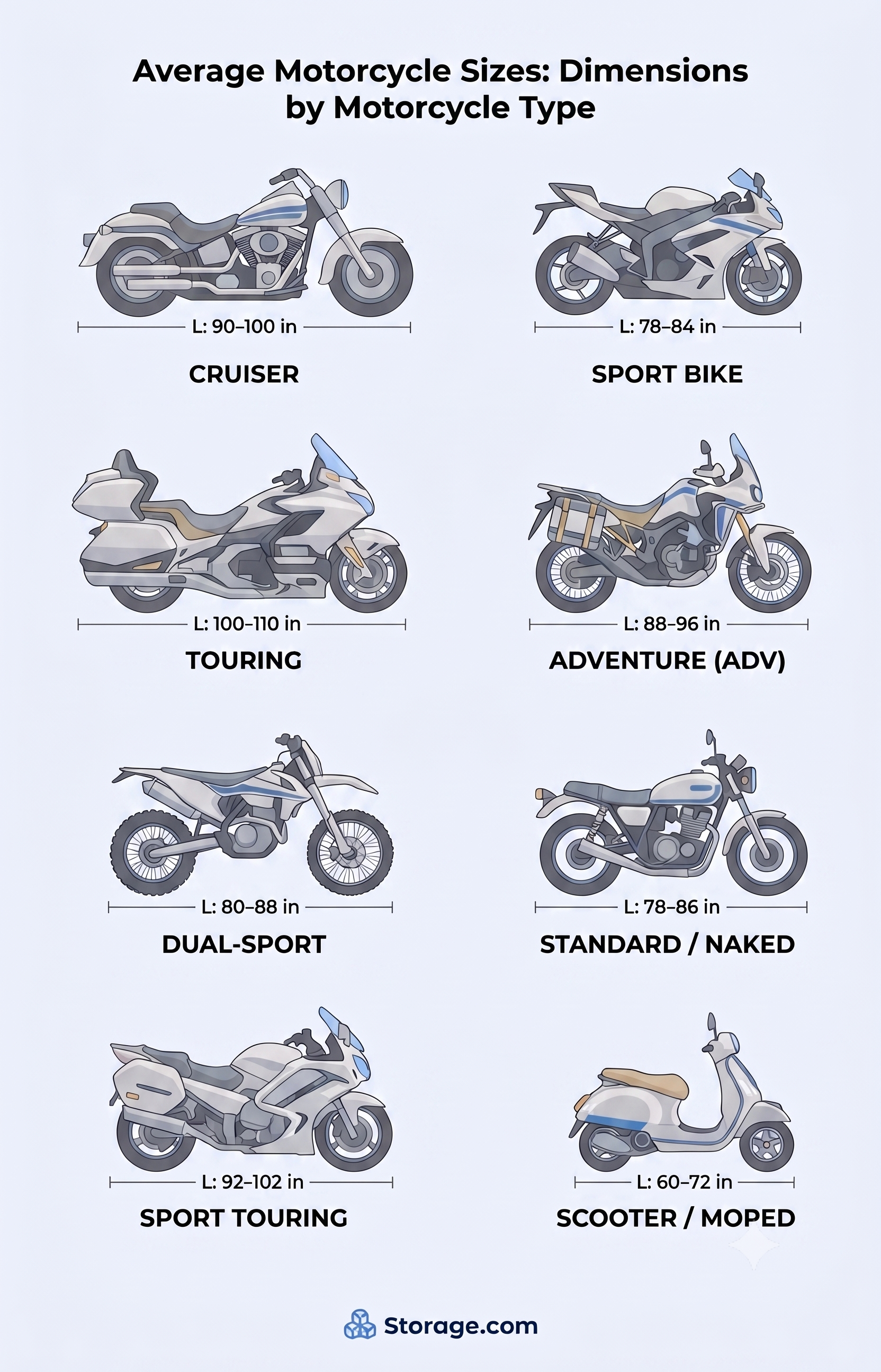
The table below covers every major motorcycle style, its typical use, approximate length, and storage unit guidance.
| Type | Best For | Typical Length | Recommended Unit Size |
|---|---|---|---|
| Cruiser | Leisure, city riding | ~90–100 in | 5×10 (10×10 for baggers) |
| Sport Bike | Performance, track | ~78–84 in | 5×10 |
| Touring | Long-distance highway | ~100–110 in | 10×10 |
| Adventure (ADV) | On/off-road, long trips | ~88–96 in | 5×10 (check height clearance) |
| Dual-Sport | On/off-road, commuting | ~80–88 in | 5×10 |
| Standard / Naked | All-around, commuting | ~78–86 in | 5×10 |
| Sport Touring | Performance + long distance | ~92–102 in | 5×10 or 10×10 |
| Scooter / Moped | Short trips, city use | ~60–72 in | 5×5 or 5×10 |
Length ranges are general estimates. Specs vary by make and model. Confirm your bike’s dimensions before booking a unit.

1. Cruiser
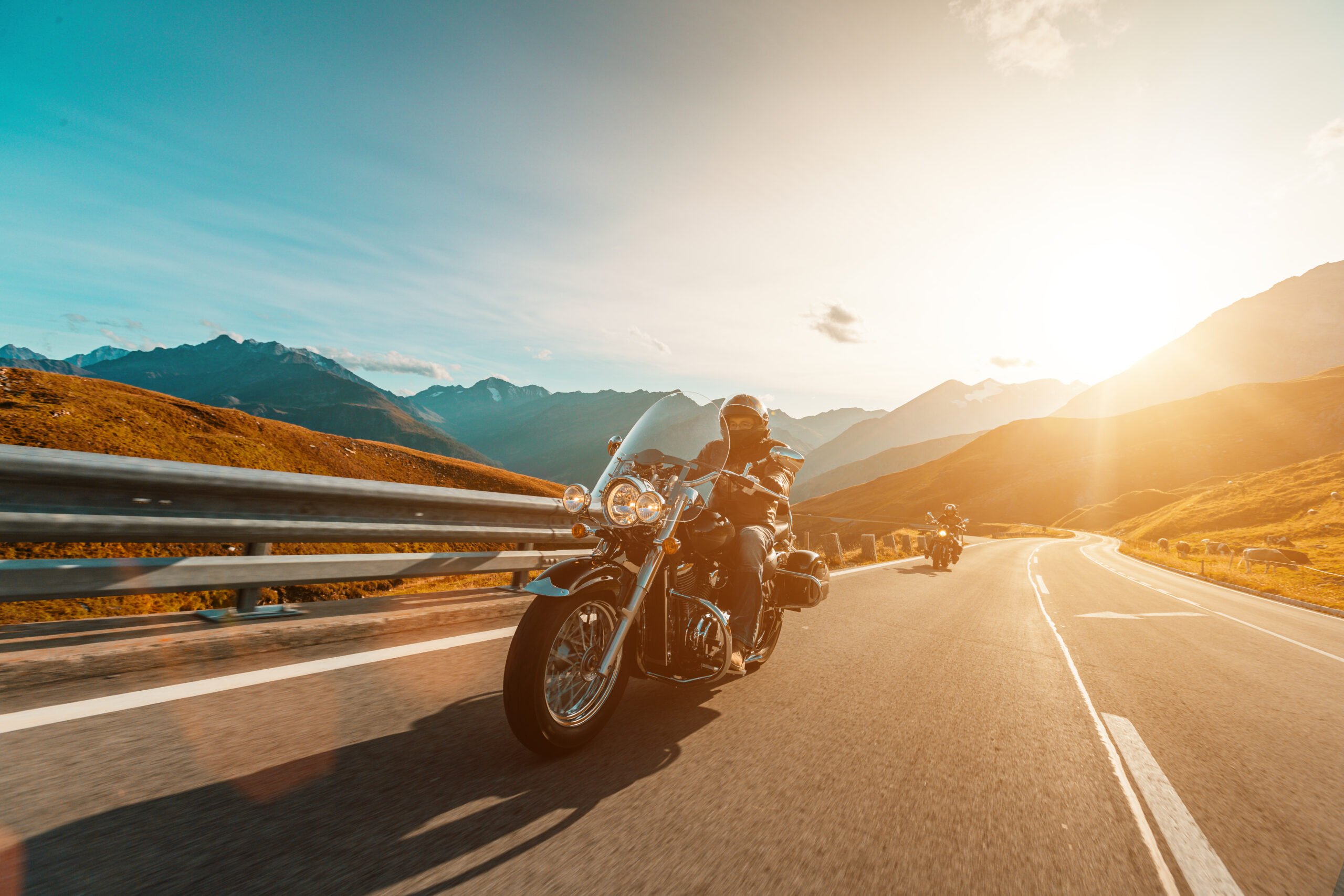
Cruisers are defined by a low seat height, forward foot pegs, and an upright, relaxed riding position. They’re the classic American-style motorcycle — built for comfort on shorter rides, not outright performance. Harley-Davidson, Indian, and Yamaha’s V-Star lineup are among the most recognized names in the category.
Most cruisers run 90 to 100 inches long. A 5×10 storage unit works for most standard motorcycle models. Wider bagger-style cruisers with large saddlebags may need a 10×10.
2. Sport Bike
Sport bikes prioritize performance: aggressive seating position, high-revving engines, and precise handling. They’re common on canyon roads and at track days. Well-known models include the Kawasaki Ninja series, Honda CBR, and Yamaha R-series.
Sport bikes are among the most compact full-size motorcycles, typically 78 to 84 inches long. A 5×10 unit is sufficient for most, and their narrow profile leaves room for gear and accessories alongside the bike.
3. Touring Motorcycle
Touring bikes are purpose-built for long-distance highway riding: large fairings for wind protection, integrated saddlebags, comfortable two-up seating, and powerful engines designed for sustained cruising. The Honda Gold Wing, BMW R-series, and Harley-Davidson Road King are benchmark examples.
These are the longest and heaviest motorcycles in common use, often 100 to 110 inches or more. Plan for a 10×10 storage unit, especially if panniers or a top case are staying on the bike.
4. Adventure Motorcycle (ADV)
Adventure bikes are built for versatility: long-distance pavement, gravel, and off-road terrain. An upright riding position, long-travel suspension, and large fuel tanks are standard features. Popular models include the BMW GS series, KTM 1290 Super Adventure, and Honda Africa Twin.
ADV bikes run 88 to 96 inches long but stand noticeably tall. Most fit in a 5×10 unit, but confirm the unit’s overhead door clearance if your bike has tall handlebars or a high windscreen. The handlebar width can also be a tight fit in narrower units.
5. Dual-Sport Motorcycle
Dual-sports are lighter, simpler machines designed for both on-road and off-road use. Unlike adventure bikes, which are built for long trips and two-up comfort, dual-sports prioritize low weight and off-road agility. Common examples include the Honda CRF300L, Kawasaki KLX300, and Suzuki DR650.
Dual-sports are slim and compact — usually 80 to 88 inches long. They fit easily in a 5×10 unit and are light enough to maneuver into tight spaces without help.
6. Standard / Naked Motorcycle
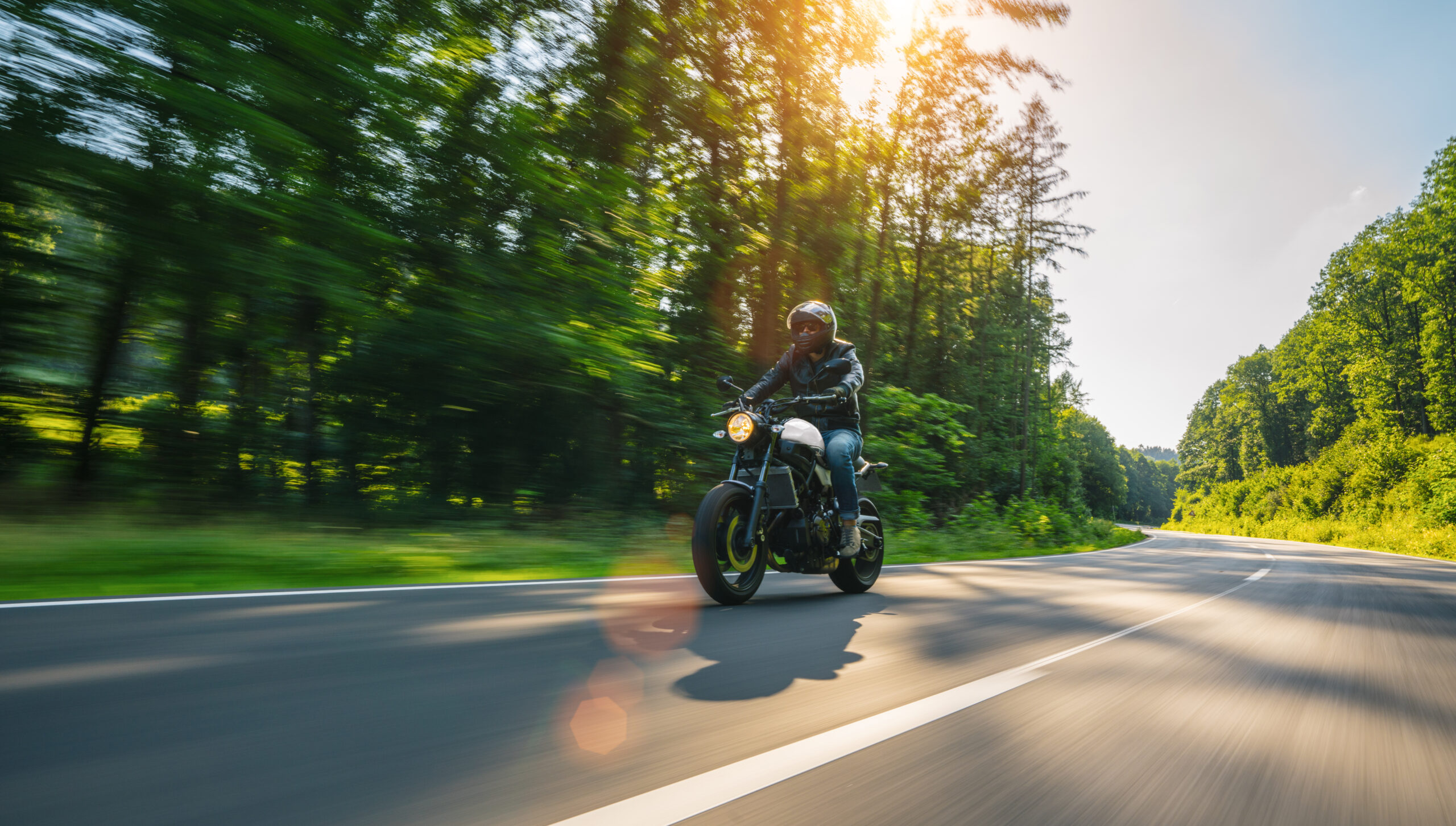
Standard bikes — also called naked bikes — offer an upright, neutral riding position without the full fairings of a sport bike or the cruiser-style forward pegs. They’re practical, comfortable for daily commuting, and easy to handle for a range of rider experience levels. The Kawasaki Z-series, Honda CB series, and Triumph Street Twin are good examples.
Standards are among the most storage-friendly full-size motorcycles. Most measure 78 to 86 inches long, and their narrow, unfaired profile makes them straightforward to fit in a 5×10 unit with room to spare.
7. Sport Touring Motorcycle
Sport touring bikes sit between a performance bike and a dedicated tourer. They offer better wind protection and luggage capacity than a naked sport bike while staying more agile than a full touring motorcycle. The Kawasaki Ninja 1000SX, Honda VFR series, and BMW S1000XR are well-known in this segment.
Sport tourers typically run 92 to 102 inches long. Smaller models fit in a 5×10; larger ones — especially with cases installed — may need a 10×10.
8. Scooter and Moped
Scooters and mopeds are the smallest and most urban-focused powered two-wheelers. Step-through frame, small wheels, automatic transmission, and light weight make them practical for short city trips. Common examples include the Honda PCX, Vespa GTS, and Yamaha Zuma.
Most scooters and mopeds fall between 60 and 72 inches long, making them the easiest motorcycle type to store. A 5×5 unit can work for smaller models; a 5×10 gives more room for the bike and any accessories.
Choosing the Right Motorcycle Type & Motorcycle Storage Unit
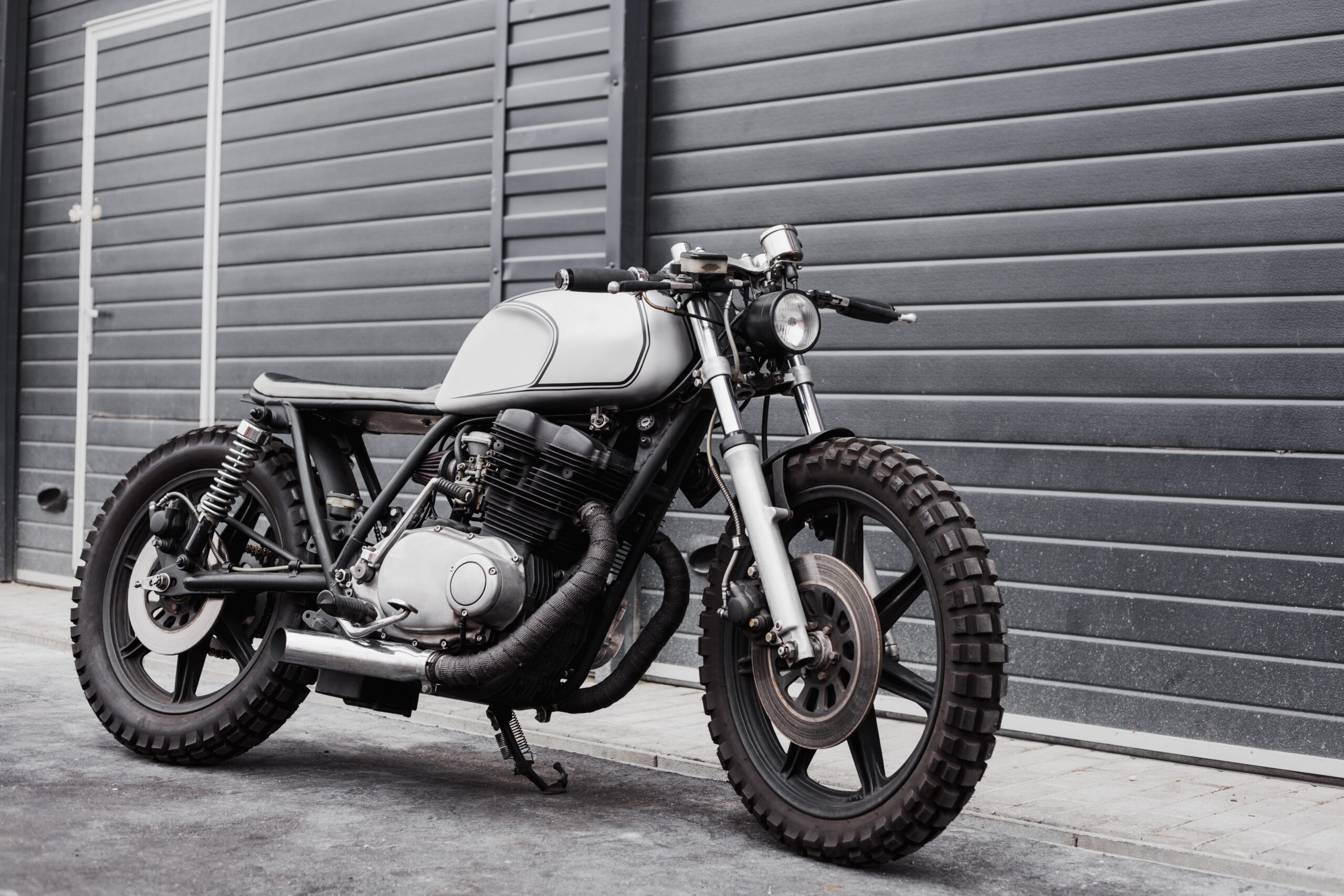
The motorcycle types covered here span a wide range of sizes, purposes, and riding styles. Cruisers and touring bikes are the largest. Sport bikes, dual-sports, and standards are more compact. Adventure bikes and sport tourers fall in between, with specific size and height factors worth knowing if storage is part of your planning.
If you’re storing a motorcycle for the season or long-term, your bike’s type is the starting point for picking the right unit size and preparing it for storage. Once you know what category your bike falls into, sizing and planning get a lot more straightforward.
Watch this video to learn more about motorbike storage options:
One thing is for certain: if you’re planning on storing your motorcycle in the off-season, you’ll need to take steps to ensure it is properly winterized. You may also want to consider shopping for a drive-up storage unit or a climate controlled unit for ease of access, temperature regulation, and optimum convenience for your ride.
More Storage Guides & Expert Tips
-
Motorcycle Storage Cost: 2026 Price Guide & Unit Size Comparison
This guide breaks down the actual monthly motorcycle storage costs you can expect to pay in 2026, based on size, location, unit type and amenities.
-
Your Ultimate Motorcycle Storage Solutions Guide: Keeping Your Bike Safe All Year
The best choice for storage will depend on factors like the value of your motorcycle, the weather in your area, and the length of time you plan on storing it.
-
How to Winterize Your Motorcycle for Self Storage
This article will go over each essential step to help you prepare your motorcycle for long-term storage, whether during the winter months or for any other extended period.