
Article takeaways
- Boats fall into several broad categories: fishing, recreational, sailing, personal watercraft, and specialty craft.
- Size and beam (width) are the two biggest factors in storage options and cost.
- Boats under roughly 26 feet can typically be trailered, which opens up the most storage options.
- Larger boats generally require a marina slip or a facility equipped to handle them.
- Most boats stored in cold climates need winterization before going into storage, regardless of type.
Types of Boats at a Glance
Boats come in dozens of shapes built for different types of water, activities, and budgets. This guide covers the most common types of recreational and fishing boats, what sets each apart, and what each one means for storage.
The table below covers the most common boat types, their typical size range, primary use, and storage implications.
| Boat Type | Typical Size | Primary Use | Storage Consideration |
|---|---|---|---|
| Bass Boat | 16–22 ft | Freshwater fishing | Trailerable; fits covered storage and most drive-up units |
| Jon Boat | 10–20 ft | Fishing, hunting, utility | Flat profile; stores in a standard garage or drive-up unit |
| Bay Boat / Skiff | 18–24 ft | Inshore saltwater fishing | Trailerable; works with most standard boat storage options |
| Center Console | 18–40 ft | Inshore and offshore | Trailerable up to ~26 ft; larger sizes need a slip or outdoor lot |
| Offshore/Sportfishing | 30+ ft | Deep-sea fishing | Rarely trailered; marina slip is standard |
| Pontoon Boat | 18–28 ft | Recreation, entertaining | Wide beam (8+ ft) makes indoor storage difficult; covered lots are typical |
| Deck Boat | 18–28 ft | Recreation, watersports | V-hull; trailerable; fits covered or enclosed storage |
| Bowrider | 17–26 ft | Family recreation, cruising | One of the most common trailerable types; fits most storage setups |
| Cabin Cruiser | 25–45 ft | Overnight cruising | Marina slip or large covered facility; dry stack for mid-size |
| Ski / Wakeboard Boat | 18–24 ft | Tow sports | Trailerable; fits covered or enclosed storage well |
| Speedboat / Performance | Varies | High-speed recreation | Smaller models are trailerable; larger offshore boats need dedicated storage |
| Sailboat (small) | Under 26 ft | Day sailing, racing | Trailerable with mast down; mast height limits indoor options |
| Sailboat (large) | 26–50+ ft | Cruising, offshore | Marina or boatyard; indoor, rarely practical unless purpose-built |
| Jet Ski / PWC | 9–12 ft | Recreation | Compact and easy to trailer; fits a standard self-storage unit or garage |
| Kayak / Canoe | 10–17 ft | Paddling, fishing, touring | Easiest to store; wall racks, self-storage units, or outdoor racks all work |
| Inflatable / RIB | 8–20 ft | Utility, recreation | Deflatable models store almost anywhere; rigid hulls need more space |
| Houseboat | 40–80+ ft | Extended living on water | Permanent marina slip required; land storage is rare and specialized |
Fishing Boats
Fishing boats are the most purchased category of recreational watercraft in the U.S., and they span a wide range of hull designs, sizes, and price points. The right one depends on the water you fish, not just the fish you’re after.
Bass Boats
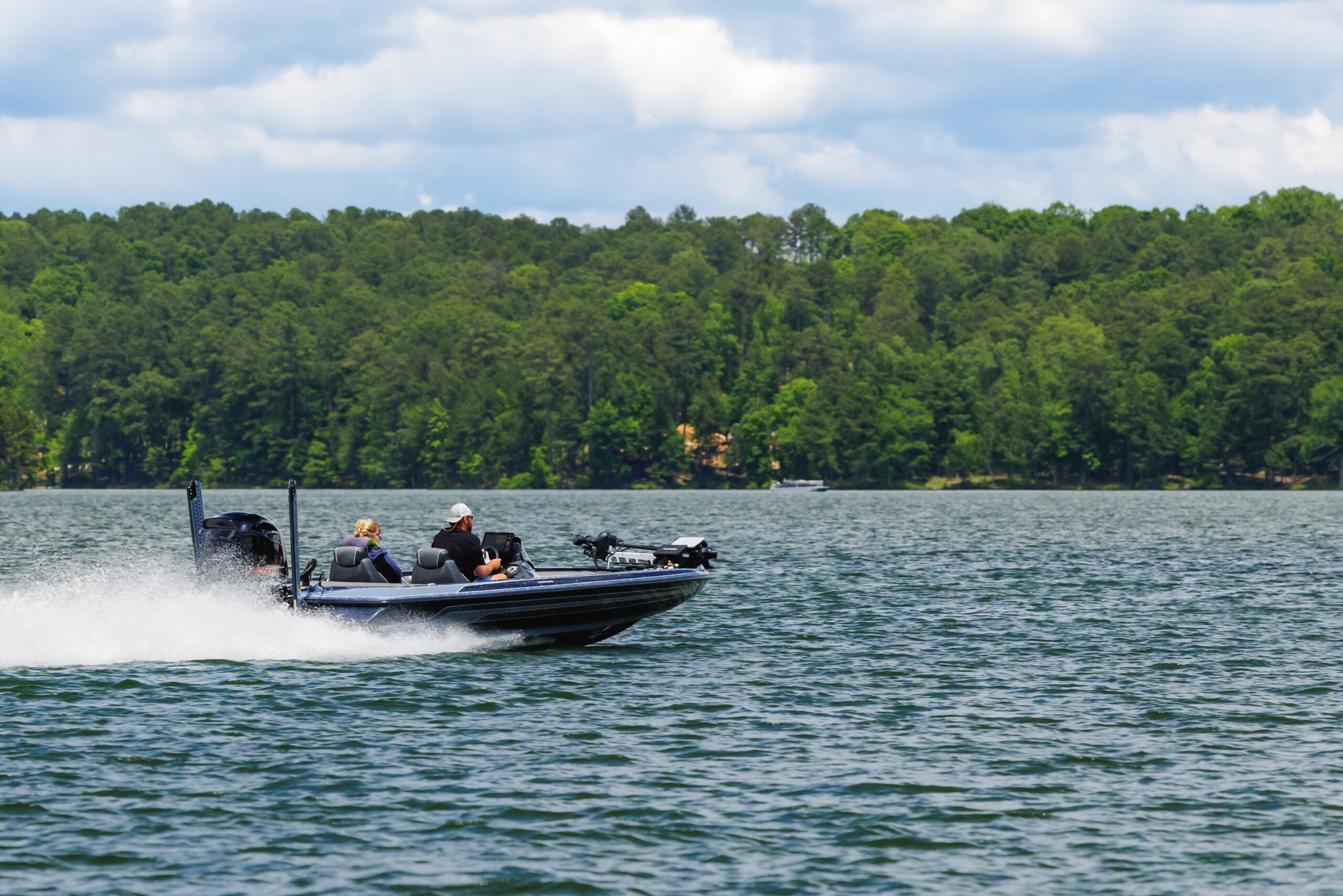
Low, fast, and purpose-built for freshwater tournament fishing. Bass boats typically run 16 to 22 feet, with a flat casting deck, livewell, and a high-output outboard. The narrow, streamlined hull makes them easy to trailer and a natural fit for covered or indoor storage.
Jon Boats
Flat-bottomed, aluminum, and no-frills. Jon boats are the workhorses of freshwater fishing, used for everything from bass fishing to duck hunting to exploring backcountry waters. Sizes run 10 to 20 feet. The flat profile fits easily in a standard garage or drive-up storage unit.
Bay Boats and Skiffs
Built for shallow inshore water, these boats get into spots that deeper-hulled boats can’t reach. Bay boats handle light chop and typically run 18 to 24 feet. Both styles are trailerable and compatible with most standard boat storage setups.
Center Console Boats
The helm sits in the middle of an open deck, leaving fishing room on all sides. Center consoles cover a wide range, from 18-foot inshore rigs to 40-foot offshore machines. Below about 26 feet, they trailer easily. Larger models typically stay at a marina or in a large outdoor lot.
Offshore and Sportfishing Boats
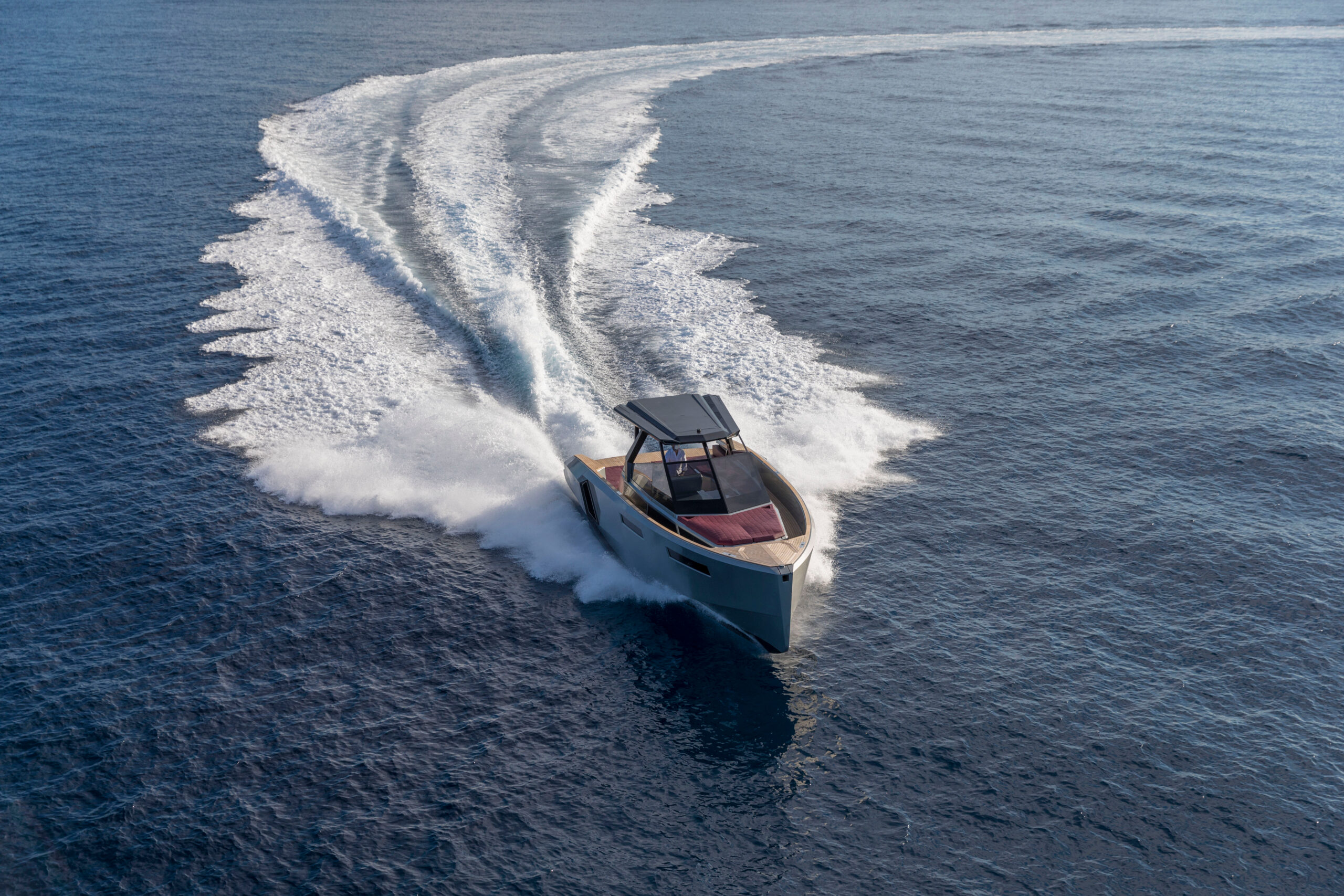
At 30 feet and up, with cabins for overnight trips and twin engines, offshore sportfishing boats are not trailered in any practical sense. Marina storage is the standard — and at this size, it is usually the only option.
Recreational and Pleasure Boats
Pontoon Boats
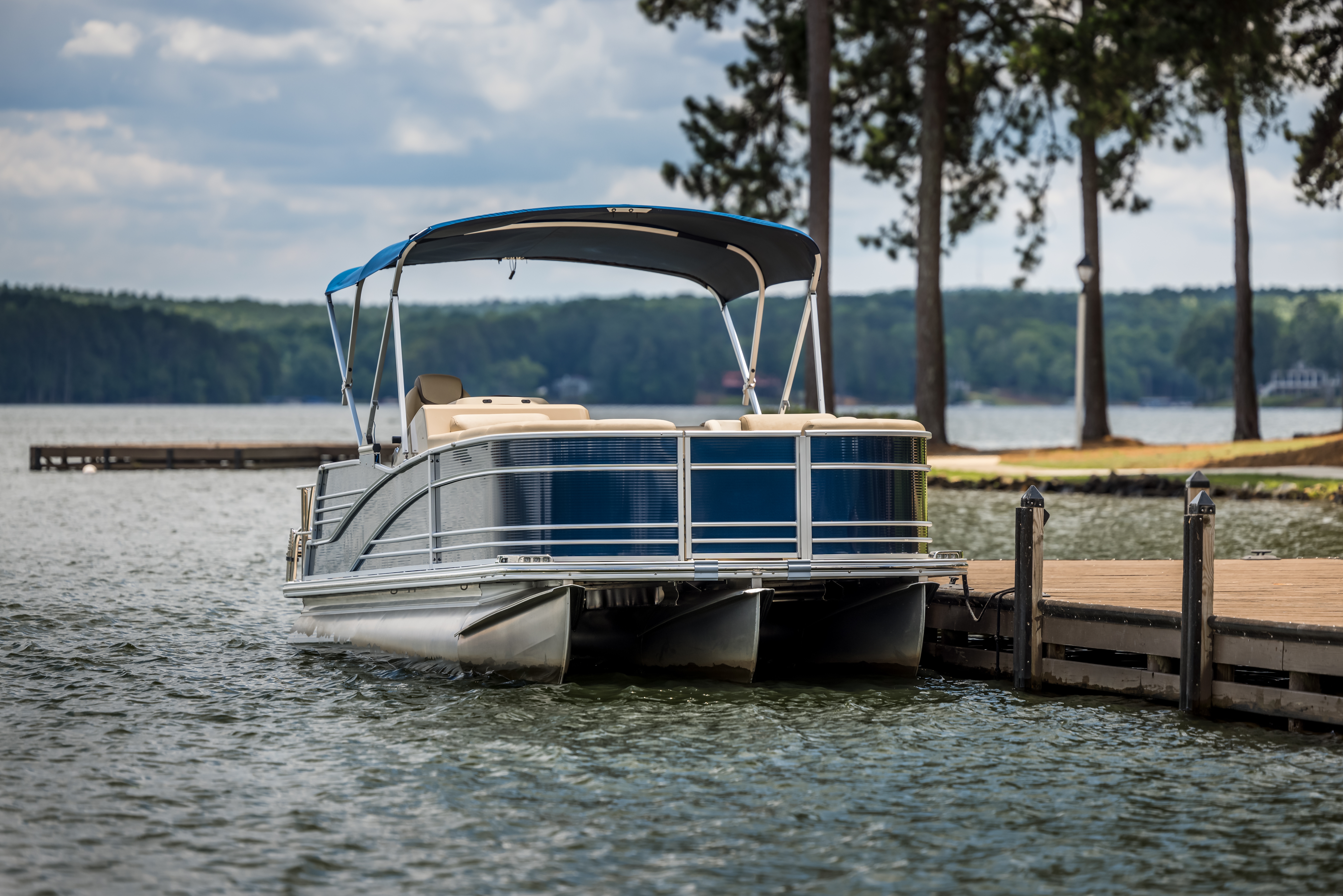
Pontoons have become one of the most popular lake boats in the country. The flat deck is supported by two or three aluminum tubes, making it stable and good for groups. Most run 18 to 28 feet. The storage tradeoff: pontoons are wide, often 8 feet or more at the beam, which rules out most standard indoor storage bays. Covered lots or open storage areas are the typical answer.
Deck Boats
Same general purpose as a pontoon, different hull. Deck boats use a V-shape or modified-V hull, so they handle rougher water better and carry speed more efficiently. They seat large groups and most run 18 to 28 feet. The conventional hull makes them easier to fit in standard covered storage than a pontoon.
Bowriders
Bowriders are the all-purpose family boat. Seating wraps into the bow, giving you more room than a standard runabout. Good for watersports, cruising, and anchoring for a swim. Most run 17 to 26 feet. They are one of the most common trailerable boats on the road and fit well in covered or enclosed storage.
Cabin Cruisers
An enclosed cabin for overnight use or a long day on the water. Cabin cruisers run roughly 25 to 45 feet, and at that size, a marina slip or large covered facility is the standard storage solution. Some facilities offer dry stack storage, which is indoor rack storage operated by the marina — a practical option for mid-size cruisers that aren’t in the water full-time.
Ski and Wakeboard Boats
Inboard or I/O boats engineered specifically to produce the right wake for tow sports. The hull shape and ballast system are tuned for skiing or wakeboarding rather than general performance. Most run 18 to 24 feet, trailer cleanly, and fit well in covered or enclosed storage.
Speedboats and Performance Boats
A broad term for high-performance fiberglass boats built around speed. Sizes and configurations vary widely. Smaller models are trailerable and store like any other mid-size boat. Larger offshore performance boats often need dedicated marina storage.
Sailboats
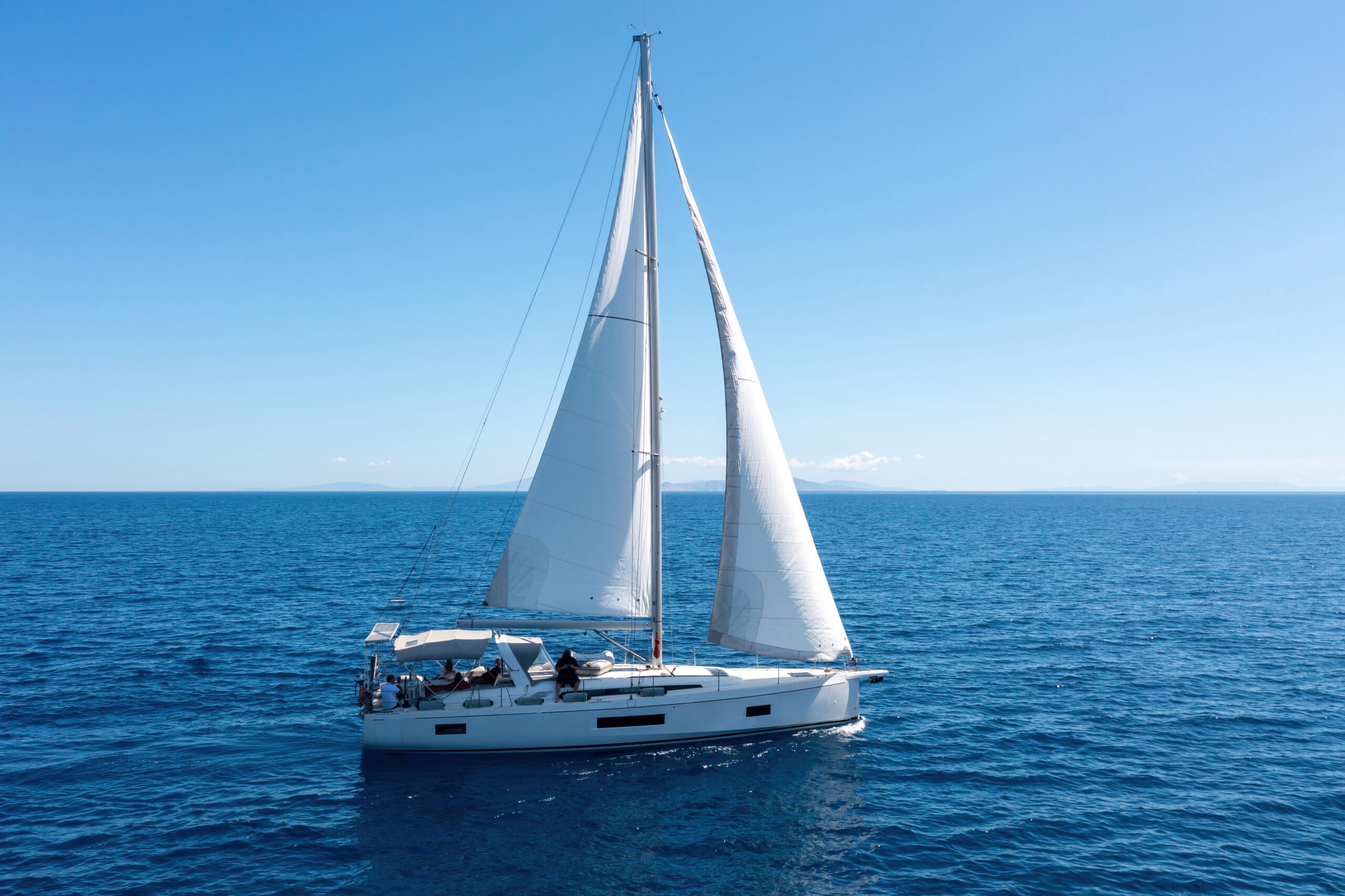
Sailboats cover a wide range of sizes and purposes. Small dinghies and day sailers under 26 feet can be trailered and stored on land. Larger boats almost always live at a marina. Indoor storage for sailboats is rarely practical unless the facility is purpose-built for sailing: a standing mast rules out most conventional bays and covered lots.
Common sailboat types:
- Dinghies — small, unballasted boats used for racing or learning to sail
- Day sailers — small keelboats for afternoon outings, many trailerable
- Sloops — single-masted, the most common cruising and racing configuration
- Catamarans and trimarans — multi-hull designs with wide beams that complicate storage
- Offshore cruising sailboats — larger vessels built for long passages or live-aboard use
Personal Watercraft (PWC)
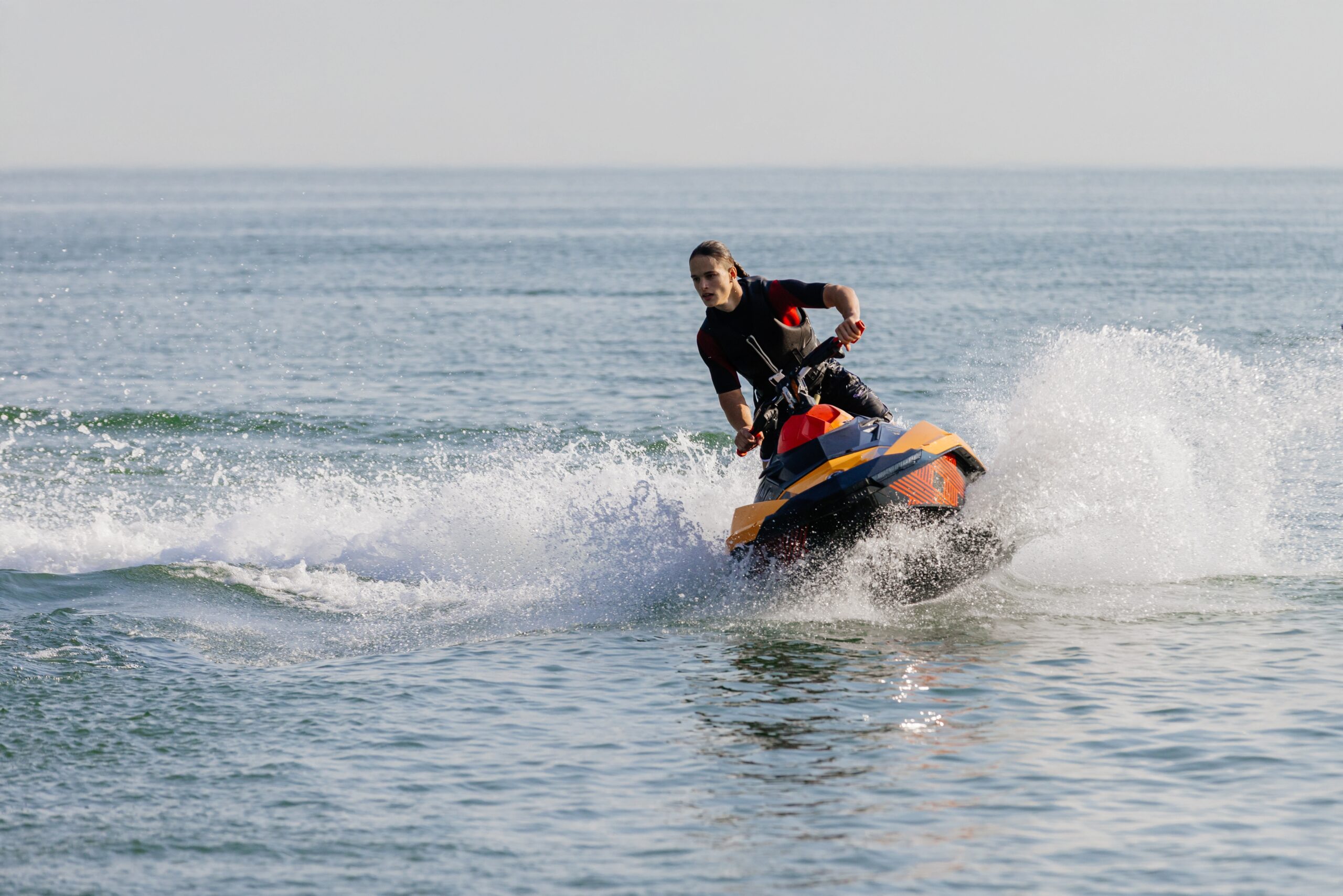
Jet skis, Sea-Doos, and WaveRunners are all personal watercraft: sit-down or stand-up craft powered by a jet pump rather than a propeller. They run 9 to 12 feet, weigh a fraction of what a full boat does, and haul on a compact trailer.
For storage, PWCs are about as straightforward as it gets. A standard storage unit, a garage, or a small covered spot works fine. They are worth calling out separately from boats because the storage logistics are genuinely simpler and less expensive.
Kayaks and Canoes

Kayaks and canoes are human-powered paddle craft for recreation, fishing, touring, and whitewater. Most run 10 to 17 feet and are light enough to carry by hand or strap to a roof rack. Kayak and canoe storage is rarely complicated: wall-mounted garage racks, storage units, and outdoor racks at a storage facility all work.
Common types:
- Recreational kayaks — wide and stable, suited for calm flatwater
- Touring kayaks — longer and narrower, built for distance paddling
- Sit-on-top kayaks — open hull, popular for fishing and warm climates
- Fishing kayaks — wider, rigged with rod holders and gear tracks
- Canoes — open boats paddled with a single-blade paddle
- Inflatable kayaks and canoes — deflate to compact size for storage
Specialty Boat Types
Inflatable Boats and RIBs
Fully inflatable models deflate and pack down to almost nothing, making them the easiest boats to store by volume. Rigid inflatable boats (RIBs) have a hard fiberglass or aluminum bottom with inflatable tubes around the sides. They need more space than a deflatable but are compact relative to a solid-hull boat of the same length.
Houseboats
Houseboats are floating living quarters, not trailerable recreation. They require a permanent or semi-permanent slip. Land storage is rare and requires specialized hauling equipment. Storage planning for a houseboat is a different conversation from any other type on this list.
Airboats
Airboats use an aircraft-style propeller above a flat aluminum hull to move through shallow water, swamps, and flooded terrain. Common in Florida and Louisiana. They trailer, but the wide, flat hull can be harder to fit in a standard storage bay than a conventional boat of similar length.
How Boat Type Affects Your Storage Options
Trailerable vs. Non-Trailerable
The 26-foot mark is a rough dividing line. Below it, most boats can be hauled on a standard trailer, which opens up indoor self-storage, covered lots, outdoor storage areas, and home garages as options. Above it, and especially for cruisers and sailboats, you are looking at a marina slip or a facility that can handle large boats.
Beam Width and Fit
A boat’s beam determines whether it fits in a given storage space. Wide-beam designs like pontoons, catamarans, and large center consoles often won’t fit where a bass boat or bowrider would. Know your boat’s beam before calling a storage facility — width is usually the constraint, not length.
Winterization
Boats stored in cold climates need winterization before going into storage. This covers outboard and inboard engines, water systems, and hull maintenance. Skipping it risks freeze damage that can be expensive to repair in spring.
More Storage Guides & Expert Tips
-
Short-Term and Long-Term Boat Storage Made Simple
In this guide, we’ll cover the different types of boat storage, boat storage ideas, and how to find boat storage near you.
-
Where to Store Your Boat During Winter
Boat storage comes in many forms from dry stacks to self-storage units. Choosing the right one typically boils down to a matter of convenience, price, and amount of protection.
-
Winterization Guide: How to Protect and Store Your Boat
If it’s time to put the boat away for the winter, it is important to follow these steps in order to properly store your boat.
The Bottom Line
A 12-foot jon boat and a 35-foot cabin cruiser are both boats, but they require completely different storage approaches. Knowing your boat’s type, size, and beam is the starting point for choosing the right storage option and keeping your investment protected between seasons. Use the guides linked above for pricing, winterization, and seasonal storage planning.