
Article takeaways
- Philatelists are people who collect and study postage stamps and other relics from postal history, including stamped envelopes and revenue stamps.
- Stamps are particularly delicate items that require special preparation and storage considerations, like climate control.
- Preserving and displaying stamps is a worthwhile hobby with the potential to be quite lucrative, but collectors should always follow best practices to maintain the integrity of their collection.
Ah, stamp collecting… this hobby has millions of philatelists licking their chops all over the globe, eager to snag that next special stamp from the post office, Linn’s Stamp News, or collectibles world dealers.
What’s truly special is that a simple slip-up in a stamp’s print might just land you a treasure, whether it’s rare U.S. stamps or exotic World Stamps. And while misprints in the stamp world can skyrocket a stamp’s value faster than you can say “special delivery,” you definitely don’t want any mishaps once you acquire such a rare find.
This makes proper stamp storage a necessity for anyone collecting stamps, which is why we are going to walk you through the best practices for storing stamps, be it in stamp albums, stamp binders and pages, stamp packets with slip covers, or stamp storage boxes carefully stashed under lock and key.
Preparing Your Stamp Collection for Storage
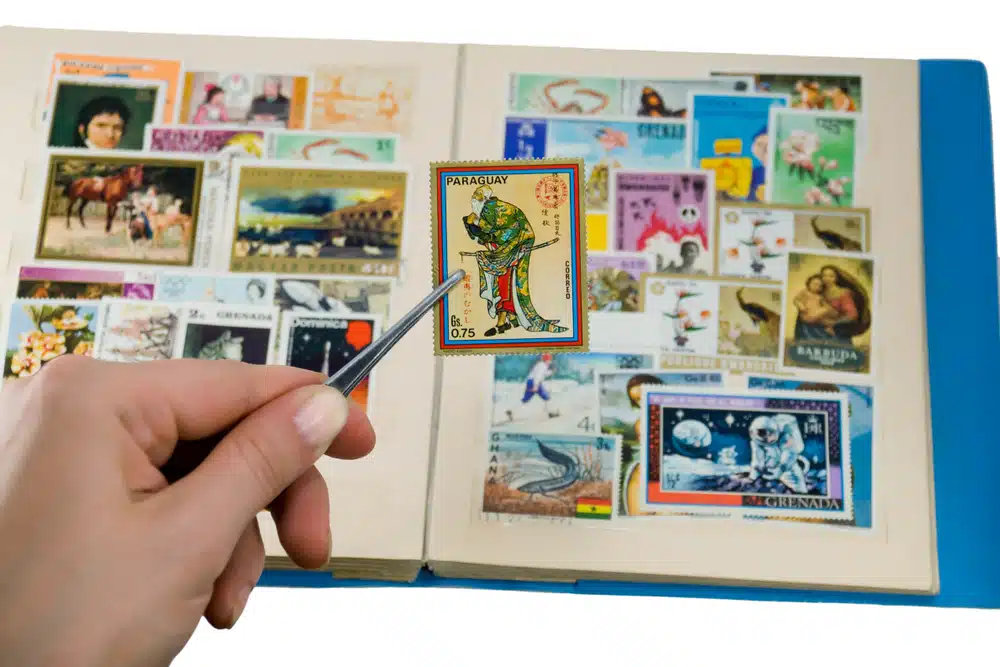
First things first: keep your mitts off the mint! The natural oils on your skin are like kryptonite to stamps, even if you’ve just scrubbed your hands. Grab a pair of stamp tongs to avoid leaving a lasting impression (and not the good kind). Choose ones with a spade tip for its gentle grip or switch to ones with a pointed tip for surgical precision.
Apart from your trusty tongs, you’ll need:
- a soft cloth to wipe away any dust without smudging or scratching your stamps;
- a 10x magnifying glass to admire the fine details of your mini masterpieces (essential for collecting stamps and verifying U.S. stamps or World Stamps authenticity);
- a perforation gauge;
- a watermark detector fluid, like Clarity;
- a stamp album and hinges to arrange your stamps neatly, along with stamp packets for organizing duplicates, and
- a color guide to tell the difference between similar stamps.
For serious philatelists collecting stamps, consider referencing resources like Linn’s Stamp News or a comprehensive Philatelic Book to learn about proper handling of rare U.S. stamps and international World Stamps you might acquire from the post office or collectibles world dealers.
Armed with all these, the next step is to organize your stamps. It can be by theme, country, or era—whatever makes sense to you. And if you need to wash off stamps before putting them in albums, follow this guide from the American Philatelic Society.
Choosing the Right Storage Environment
Stamps are divas that demand perfect climate control—too hot, too cold or too humid, and your stamps might just throw a fit. Extreme temperatures, humidity levels, and water vapour can cause stamps to curl, stick or even crack as if suffering from a mini existential crisis.
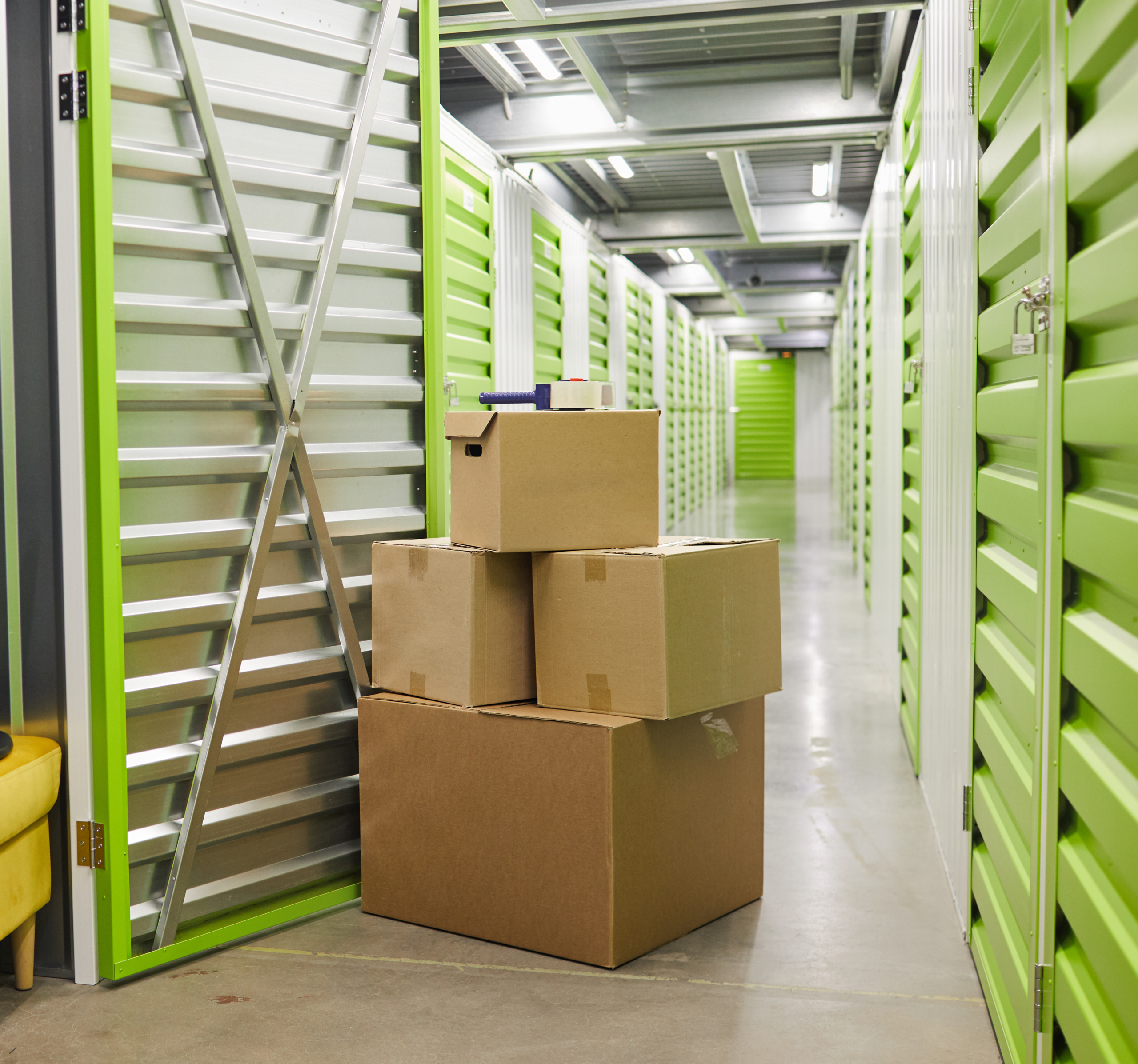
What you need is to keep your collection in a cool and stable environment — ideally under 64°F and at a relative humidity of about 50%. Use digital hygrometers to monitor these conditions precisely when collecting stamps. While it’s not impossible to achieve that at home, it might be easier to opt for a climate-controlled storage unit for your stamp collection.
Here’s how the two options compare up close:
| Storage Option | Pros | Cons |
|---|---|---|
| Home Storage | Immediate access to your collection. Potentially lower cost compared to professional facilities. | Risk of environmental fluctuations due to less controlled conditions. Requires personal maintenance and monitoring. |
| Professional Storage Facilities | Optimal, stable environmental conditions are maintained professionally. Enhanced security features, such as surveillance and controlled access. | Less frequent access to your collection. Higher cost than home storage options. |
When selecting storage for your U.S. stamps, World Stamps, or other acquisitions from the post office or collectibles world, always choose options with acid-free archival quality paper and consider using slip covers for extra protection. Many philatelists store duplicates in stamp packets while displaying prized pieces in albums, keeping a magnifying glass nearby for detailed examination.
Storage Solutions for Stamps
Stamp collections are as unique as the collectors themselves. As you consider how to store stamps without damaging them ever so slightly, here’s a straightforward guide to the various storage and mounting options out there:
| Storage Type | Description | Pros | Cons |
|---|---|---|---|
| Stamp Albums | Dedicated spaces for each stamp, often with explanatory text; designed for specific themes or countries. | Organized display Preserves condition Educational and thematic display | Can cause damage if overfilled Direct attachment can reduce the collectible value |
| Stockbooks | Blank books with horizontal rows from thin strips of film. | Fast arrangement Good for saving duplicates | More expensive than stamp mounts or hinges |
| Stamp Binders and Pages | Similar to albums but with removable pages. | Customizable Easy to expand and reorganize Good for growing collections | Pages may require careful handling to avoid damage |
| Stamp Mounts | Plastic pockets that protect the entire stamp without adhesive contact. | Best for preserving mint condition stamps Protects original gum and features Preferred for valuable stamps | More expensive Time-consuming to cut to size |
| Stamp Hinges | Folded glassine paper with adhesive, used to attach stamps to pages. | Inexpensive Traditional method Easy to reposition | Risk of damage if not fully dry Not suitable for mint condition stamps |
| Stamp Storage Boxes | Boxes designed to hold stamps in glassine envelopes. | Ideal for large quantities Protects from external pressures Can be easily stacked | Not display-friendly Cardboard may attract pests |
| Hingeless Albums | Albums with pre-fitted pockets for each stamp. | Full protection with easy viewing No need for additional mounting materials | Can be costly Less flexibility in arrangement |
| Cover Albums | Designed to store and display postal covers. | Protects entire envelopes Highlights postmarks and historical usage | Bulkier than stamp-specific solutions Not suitable for loose stamps |
Best Practices for Storing Stamps
Now that you know all about stamp storage solutions and can make an informed decision, let’s see how to store stamps to avoid common damage issues such as sticking, fading and bending.
- Always use acid-free archival quality paper in your stamp albums to prevent the acid in regular paper from damaging the stamps over time, especially important for valuable U.S. stamps and rare World Stamps.
- To help prevent stamps from sticking, use interleaf tissues (not household wax paper) between pages of mint sheets.
- Place silica gel packets near your albums to absorb excess moisture and water vapour, protecting against humidity. Monitor conditions with digital hygrometers for precision.
- To avoid chemical reactions that could damage stamps, only use containers and albums made from chemically neutral (archival-quality) materials.
- Keep stamp collections high up in closets or on shelving units to avoid flood damage and reduce the risk of pests.
- Never store stamps at the bottom of a box or anywhere that might accumulate moisture, which can lead to mold.
- Consider renting a temperature-controlled storage unit for rare stamps.
- Albums should be stored vertically to distribute weight evenly and prevent the stamps from sticking together.
- Buy water-tight and/or fire-proof containers as an extra precaution.
Whether you’re storing stamps purchased from the post office, acquired through Linn’s Stamp News ads, found in the collectibles world, or inherited collections, these practices apply to all stamps—from common issues to rare U.S. stamps and exotic World Stamps.
Remember to keep an inventory list of your precious stamps and insure valuable collections.
Common Mistakes to Avoid When Storing Stamps
Steer clear of these common stamp storage blunders if you want your collection to retain its beauty and value for generations to come.
| Common mistake | Why it’s a bad idea | Solution |
|---|---|---|
| Storing stamps in basements or other humid areas. | Promotes mold growth and can cause mint stamps to stick to their storage medium. | Climate-controlled storage |
| Storing stamps in attics or other areas with fluctuating temperatures. | Can dramatically affect the preservation of stamps, leading to gum hardening or stamps becoming brittle. | Climate-controlled storage |
| Cramming stamps into albums or stockbooks. | Increases the risk of damaging them, bending corners or stressing the binding. | Ensure ample space |
| Handling stamps with bare fingers. | Transfers oils to the stamps, leading to discoloration. | Use stamp tongs |
| Exposing stamps to sunlight or strong artificial light. | This can cause photochemical changes in stamps, fading their colors. | Dark storage |
| Incorrectly using hinges and mounts. | Can permanently damage stamps, either through excessive moisture in hinges or incorrectly sized mounts that buckle the stamps. | Follow mounting instructions |
| Storing albums horizontally and stacking them. | This can cause the stamps to stick to album pages. | Store albums vertically |
| Inserting newspaper clippings or other acidic materials into stamp albums. | Can cause the stamps to become discolored and brittle over time. | Use only archival-quality materials |
| Storing stamps in a box directly on the floor | Items stored on the floor are at risk of flooding, as well as molding from excess moisture trapped in the cement. | Place stamp containers on shelves or pallets |
Avoid these mistakes, whether you’re storing everyday stamps from the post office or rare items from the collectibles world. Proper storage with acid-free archival quality paper, slip covers, monitored digital hygrometers, and protection from water vapour ensures your U.S. stamps and World Stamps remain in pristine condition for future generations.
Pro tip: Keep your stamp collection away from children and pets to prevent accidental damage from curious hands and paws.
Extra Tips for Preserving Stamp Quality
As a stamp collection becomes more valuable or as individual pieces become harder to replace, extra caution is needed. Here’s what else to consider — aside from the best practices for storing stamps and the common mistakes to avoid when storing stamps, both of which we’ve already covered:
- Rotate your displayed stamps now and then to keep them from getting too much light, which can fade their colors over time. Also, invest in display cases that block UV light.
- Install an air purifier with a HEPA filter in the room where you store your stamps. It’ll reduce dust and other particles that might sneak into your collection. Storage units with electricity should do the trick if you need this added layer of protection.
- Regularly give your stamps a once-over to catch any early signs of wear or unwanted guests.
- If your collection has some real gems—rare U.S. stamps, valuable World Stamps, or items featured in Linn’s Stamp News—it might be worth chatting with a conservation pro or consulting a Philatelic Book about a personalized care plan.
If you inherited a stamp collection and have no idea how to handle it, check out this useful video from stamp collector Graham Beck.
Remember, whether you’re collecting stamps purchased fresh from the post office, hunting for treasures in the collectibles world, tracking auctions through Linn’s Stamp News, or building a specialized collection of U.S. stamps and World Stamps, proper storage is essential.
Use acid-free archival quality paper, monitor conditions with digital hygrometers, protect against water vapour, and keep your magnifying glass and stamp packets organized for easy examination.
Now You Know How To Store a Stamp Collection Like a Pro
With these tips for preserving stamp quality under your belt, you can rest assured that your stamp collection—from common post office issues to rare U.S. stamps and exotic World Stamps—will not only survive but thrive, letting you flip through it years from now with the same joy as today.
Ready to store your stamp collection? We can help you find the right stamp storage unit.
Keep collecting, keep caring, and let every stamp add a chapter to your unique tale!