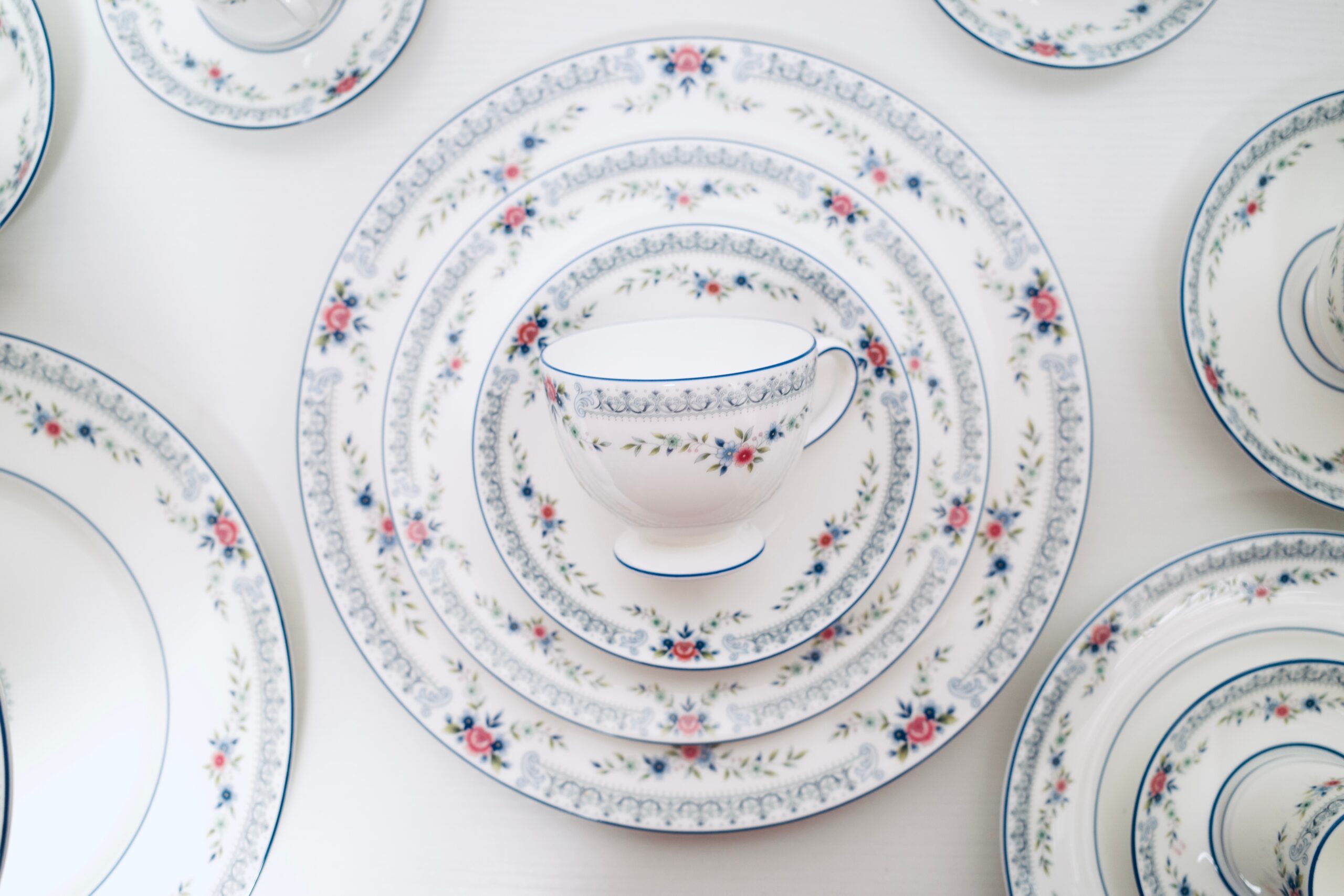

As a child, you probably wondered why your family only brought out nice china for Thanksgiving or Christmas dinner instead of displaying it in a display cabinet or using it for tea parties. But now that you’re an adult with your own china set, you understand. Using delicate china is a tradition on special occasions, and it’s all about sentimental value. In fact, many china sets—whether it’s a Royal Albert pattern, Royal Doulton Romance Collection, or Royal Doulton Naples—are passed down from one generation to the next as a cherished wedding gift, which makes each dinner plate, salad plate, dessert plate, bowl, and teacup more meaningful than the average dishware. It also makes using, cleaning, moving, and storing china a major source of stress.
That’s probably why you’re so nervous about storing your antique china in a storage unit.
Whether your china collection came from antique markets, garage sales, thrift stores, or was a treasured wedding gift, proper china storage is essential to preserve these fragile items.
Whether it’s because you need temporary storage during a move, or because you don’t want to store your china in the same house as your rough-housing kids (and rightfully so), self-storage is a great solution that should cause no concern. All you need is proper packing, organization, and a climate-controlled storage unit to keep your antique china in good shape for the future.
Find a Good Container and Organize China
One of the main causes of damage to china is impact during transportation (i.e., getting bumped, dropped, or scratched) or cracks or chips from improper storage. That’s why finding the proper storage container and organizational method for your china before it goes into storage is extremely important.
Robert Howells, general manager at Pier 40 Self Storage in Philadelphia, PA., advises placing fragile items like china in sealed plastic storage containers or specialized containers that can handle large amounts of weight. In most cases, thick plastic storage containers will do, though quilted cases or cloth china storage sets offer additional protection. These storage solutions not only protect your china collection from dirt and dust, but they’re also better than cardboard china boxes, which can buckle under the pressure of china’s weight.
With large china collections including dinner plates, salad plates, dessert plates, and serving dishes, it’s best to use risers or a plate rack to evenly distribute the weight and eliminate the chance of scratches while in a storage container. Or you can use specially-made China Storage Set containers, quilted cases, or cloth china storage sets with felt dividers. Either way, you should never stack fragile items like china on top of other china without felt plate separators, plate savers, or felt inserts between each piece.
When organizing expert Bonnie Joy Dewkett of The Joyful Organizer stores her china collection and ceramics collection, she does exactly that using proper packing techniques. ‘I like to tuck a piece of acid-free tissue paper in between each plate to avoid scratching and [to] absorb moisture,’ says Dewkett, whose organization solutions have appeared in Good Housekeeping and The Huffington Post. She also recommends bubble wrap for extra fragile items and plastic wrap to seal packing materials in place.
For the best dinnerware storage, consider investing in specialized containers for different pieces. A cup and mug storage case protects delicate handles, while stemware storage with glassware dividers keeps stemless wine glasses safe. Use felt dividers or felt plate separators between dinner plates, salad plates, and dessert plates, and wrap serving dishes with bubble wrap or place them on a cushioned surface. These packing materials and packing techniques ensure your entire china collection—from everyday dishes to your prized Royal Albert or Royal Doulton Romance Collection—stays protected.
After packing and organizing your china in a safe container, be sure to label the container as “Fragile” or “China,” especially if your china is being stored in a container that doesn’t allow you to see the contents inside. The last thing you want is to carelessly throw a container of your china around while you’re trying to get to other storage items in your unit.
Choose a Climate-Controlled Self Storage Unit
Although you can choose a standard storage unit for storing your china collection and other fragile items, climate-controlled storage is always a better option because it allows you to moderate the temperature and humidity levels in your unit, protecting against extreme temperatures.
Why does it matter that you can control your unit’s temperature when storing fine china and fragile items? Well, Howells says that extreme temperatures, both extreme heat and cold, can cause peeling, cracks or chips, and breakage in your china collection. Even humidity can wreak havoc on your china collection and ceramics collection, as too much moisture wears on the paint of dinner plates, serving dishes, and decorative pieces displayed in a display cabinet at home.
In some cases, fluctuating humidity can be even riskier if your china has dormant salt within the ceramic molding. That’s because unstable humidity above 60 percent causes the salts to dissolve and move around in the ceramic. Once dried, the salt migrates to the surface, where it becomes trapped after the moisture evaporates. This process is called efflorescence, and it warps the glaze or decorations on china until there’s a dry white film or thick, hard white crust on the ceramic.
This is particularly important for valuable pieces like Royal Doulton Naples patterns or other fragile items in your china collection, as damage from efflorescence can significantly reduce the value of pieces you might have found at antique markets or received as a wedding gift.
When it comes to maintaining temperature and humidity levels in your unit when storing your china collection, whether it’s fine china for tea parties, a ceramics collection, or fragile items like stemless wine glasses, Dewkett offers this piece of advice: “If you’re uncomfortable in a space, too hot or too cold, [then] your china shouldn’t be stored there.”
All in all, if you’re hoping to pass down your china collection, from dinner plates and salad plates to serving dishes and stemware storage pieces, to the next generation in good condition without cracks or chips, climate control and proper china storage using quality packing materials, dinnerware storage solutions like felt dividers, and protective storage solutions for all your fragile items should be on your mind.