
Owning a piano is a major commitment of money, space, and time, and if you’re a pianist moving to a new home, you’re likely wondering how you’re going to move and store your instrument. A piano is heavy and extremely delicate at the same time, meaning you’ll need to take extra care and ensure it isn’t damaged while moving. Thankfully, that extra care boils down to a couple of simple steps: having your piano moved by professionals, storing it in a climate-controlled self-storage unit, and having it tuned after storage.
In this article, we’ll go over each of these steps in extra detail so you’re well-equipped to keep your piano in good condition. Whether you’ve got a small upright or a massive grand piano, these steps will make sure your instrument is ready to play right out of storage.
Have your piano moved by a professional
You can find ways to move most heavy household objects alone or with a couple of other people. However, pianos are special cases thanks to the many delicate parts inside, and require a lot of care to be moved without incident. A professional piano moving service is the best way to get a piano from point A to point B with minimal damage to the instrument and the surrounding floors and walls.
Speaking from personal experience, booking a piano mover is both quick and simple. My mother recently offered to give her old upright piano to a friend of mine, who was going to attempt to move the piano on her own with help from her boyfriend. However, my mother convinced my friend to let her hire a piano moving company instead; not only were they available on short notice, but they were in and out of my parents’ house in half an hour and had the piano set up in my friend’s house within 90 minutes.
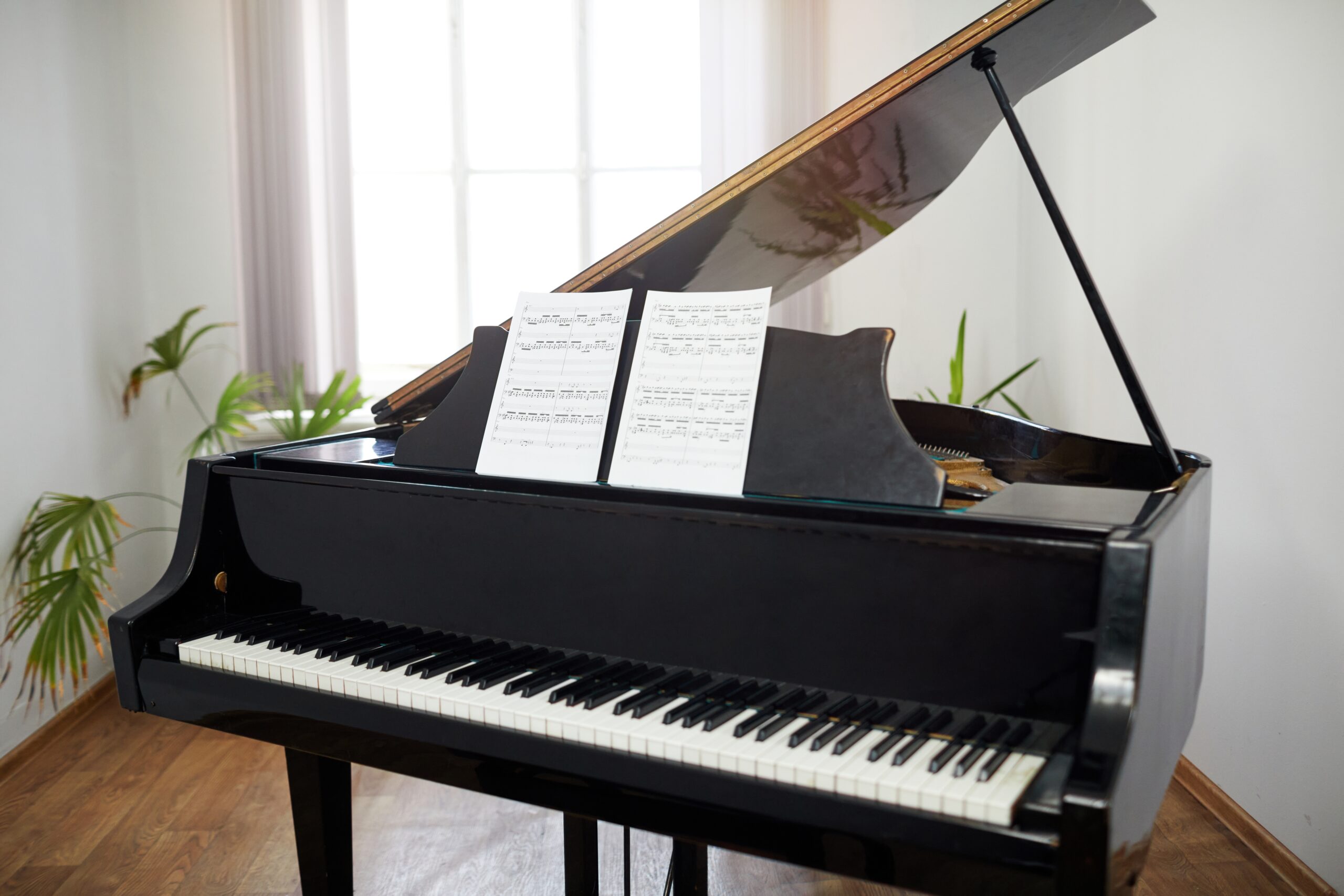
“Pianos can be difficult to move for multiple reasons,” says Kevin Patterson, owner of Kevin Patterson Piano Service, who has been servicing pianos in the Tampa Bay area since 1999. He’s also serviced pianos for The Florida Orchestra for four seasons. “For one, they weigh hundreds of pounds. The smallest upright can weigh around 300 pounds, and the large grands can be well over 500 pounds.”
Because of how delicate these giant instruments are, Patterson supports hiring a professional piano service to do the heavy lifting. “I would say the main reason to have a professional do the job would be peace of mind. Your piano could be the most valuable piece of furniture in your home.”
Patterson adds that, if you’re willing to pay a little more for “excellent service,” then you should contact a Steinway dealer in your area. “They usually have the most experience with handling and moving valuable pianos,” he says.
Dan Loibl, owner of Dan The Piano Man in Spokane Valley, Wash., agrees that hiring a professional moving company is a great idea, not only because of the weight of the piano, but because it’s also another way to protect the piano and your home’s floors.
“The wheels on a piano are designed to make the unit portable in the sense you can move it away from the wall for spring cleaning. Those small wheels will hold it, but they are typically always steel wheels and can really damage floors by denting or scratching the surface,” says Loibl. “Movers can use the piano dollies that don’t hurt the floors, and they have the strength and strong backs to do it.”
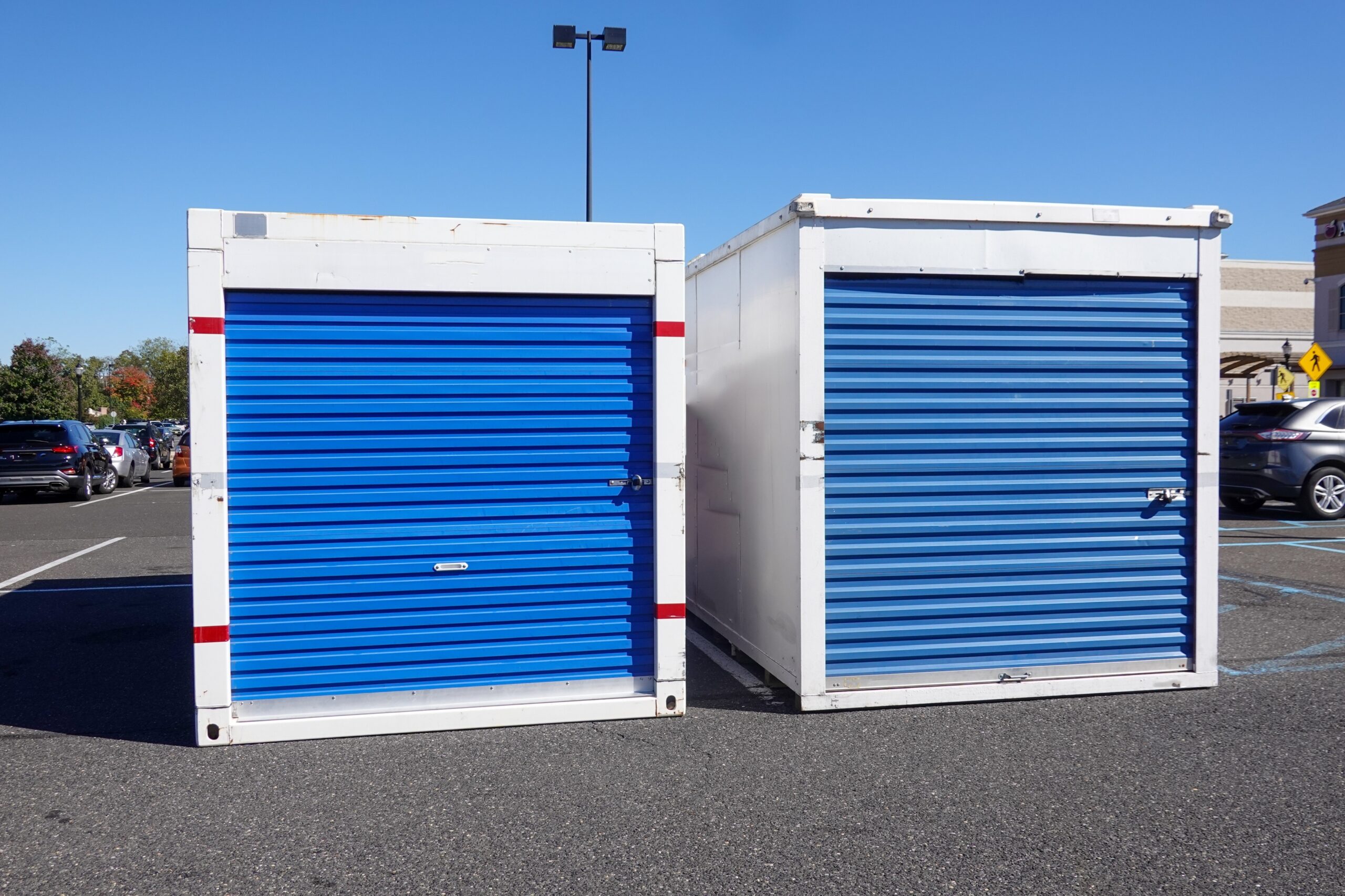
Store your piano in a climate-controlled unit
Many things can go wrong with a piano if you don’t store it in the right environment. The wood that piano bodies are made of can easily warp under too much humidity, and the glue keeping joints together can lose strength, too. However, too little humidity can cause the wood to become brittle and crack. Uncontrolled humidity can also lead to rust on the strings and pedals, getting in the way of a hassle-free playing experience.
“Humidity is a piano’s worst enemy,” says Loibl. “With the average piano having approximately 15,000 glued joints, it isn’t glue anymore if the piano is stored in a humid climate. The strings are also not rust-proof by any means. If not stored in a climate-controlled unit, they can become rusted and corroded.”
Loibl, who has tuned pianos for famous pianists, such as Arthur Ferrante, John Ford Coley, and Vladimir Horowitz, adds that extreme temperatures can also wreak havoc on a piano’s tuning. Low temperatures can cause the piano to go flat, while high temperatures can cause it to go sharp; both cost you extra money to have it tuned back to normal.
Sal Margaglione, president of Father & Son Moving and Storage in Wallingford, Conn., which has specialized in moving pianos since 1908, says storing a piano in an environment where it’s exposed to different weather elements can even change the shape of the instrument.
“A climate-controlled storage unit is important for a piano because it can affect the shape and condition of the instrument,” says Margaglione. “For example, if it is made of wood, the wood will expand or contract in either hot or cold weather.”
When seeking out a climate-controlled unit, you’ll often find that they keep the perfect range of temperature and humidity for piano storage. “The humidity should be around 50%, and the ideal temperature between 65-78°F,” says Patterson. “If the piano is out of this ‘comfort range’ for extended periods of time, it could damage the thousands of wood and felt parts.”
Have your piano tuned after storage
When you’re moving a piano into storage, you don’t need to tune it before you put it away, as it’ll naturally go out of tune regardless. Instead, you should have it tuned after it’s been taken out of storage and moved into its new home to ensure it sounds right when you’re ready to play.
“[A] piano should be tuned after it comes out of storage [when] you’re finished moving it,” says Margaglione, who doesn’t believe it’s necessary to tune a piano before it’s placed in storage.
“Pianos will go out of tune whether or not they are being played,” says Patterson. “Time is typically the biggest factor…If it will be in storage for longer than one year, the cost of the tuning services could be higher because the piano tuner might need to spend more time increasing the tension on the strings to bring it to the correct pitch.”
Maintaining the right environment will keep the piano from going too far out of tune and costing you more over time, however. A tuner will also charge extra if rusty strings need cleaning, so remember to invest in a climate-controlled unit; your piano only deserves the best treatment, after all.
Finding the right storage unit for your piano
With the right care and treatment, storing a piano doesn’t have to be a hassle. As long as you leave moving to the professionals, store your piano in a unit with climate control, and have it tuned after you take it out of storage, you’ll be able to play in tune for years to come.
If you’re ready to look for a unit that can fit whatever size piano you may have, Storage.com can help! Use our search tool to find units near you, sort by size and features, and compare prices to get the best deal.