
Article takeaways
- Good storage extends tire lifespan. Learning how to store tires correctly protects rubber compounds and ensures your tires are usable for years.
- Pre-storage prep goes a long way. Clean and inspect winter or snow tires before storing them, and maintain proper air pressure in storage to retain the tires’ structural integrity.
- Mounted vs unmounted matters. Tires off their rims should never be stored flat, as they lack the internal foundation that rims provide, which helps them maintain their shape and structure. Mounted tires allow more versatile storage positioning because the rims keep their shape.
- Environment affects longevity. Tire rubber breaks down when it is exposed to the elements for long periods, so you should know how to store tires in garages as well as outdoor storage. Keep wheels away from extreme temperatures, UV exposure, ozone, and humidity to keep them in good condition over time.
- Know when and how to store winter tires. Swapping and properly storing seasonal tires at the right time offers maximum protection and preserves tires’ performance during the off-season, so they’re ready to go when you need them.
Understanding how to store tires properly is the key to ensuring they remain in great shape when not in use and are performance-ready when you need them. Whether you spend half the year driving in snowy conditions, switch between summer and winter tires twice a year, or keep a spare set on hand for your car or stored car collection, your tire storage practices determine the lifespan and long-term usability of your tires.
A standard set of tires is expensive, and specialty tires are even pricier. This guide will walk you through how to store tires, with tips and best practices proven to protect your investment during its downtime.
First Steps to Prep Your Tires Ready for Storage: Clean, Inflate, and Label
A few protective steps to properly prepare them for storage will help ensure your storage solution is a success.
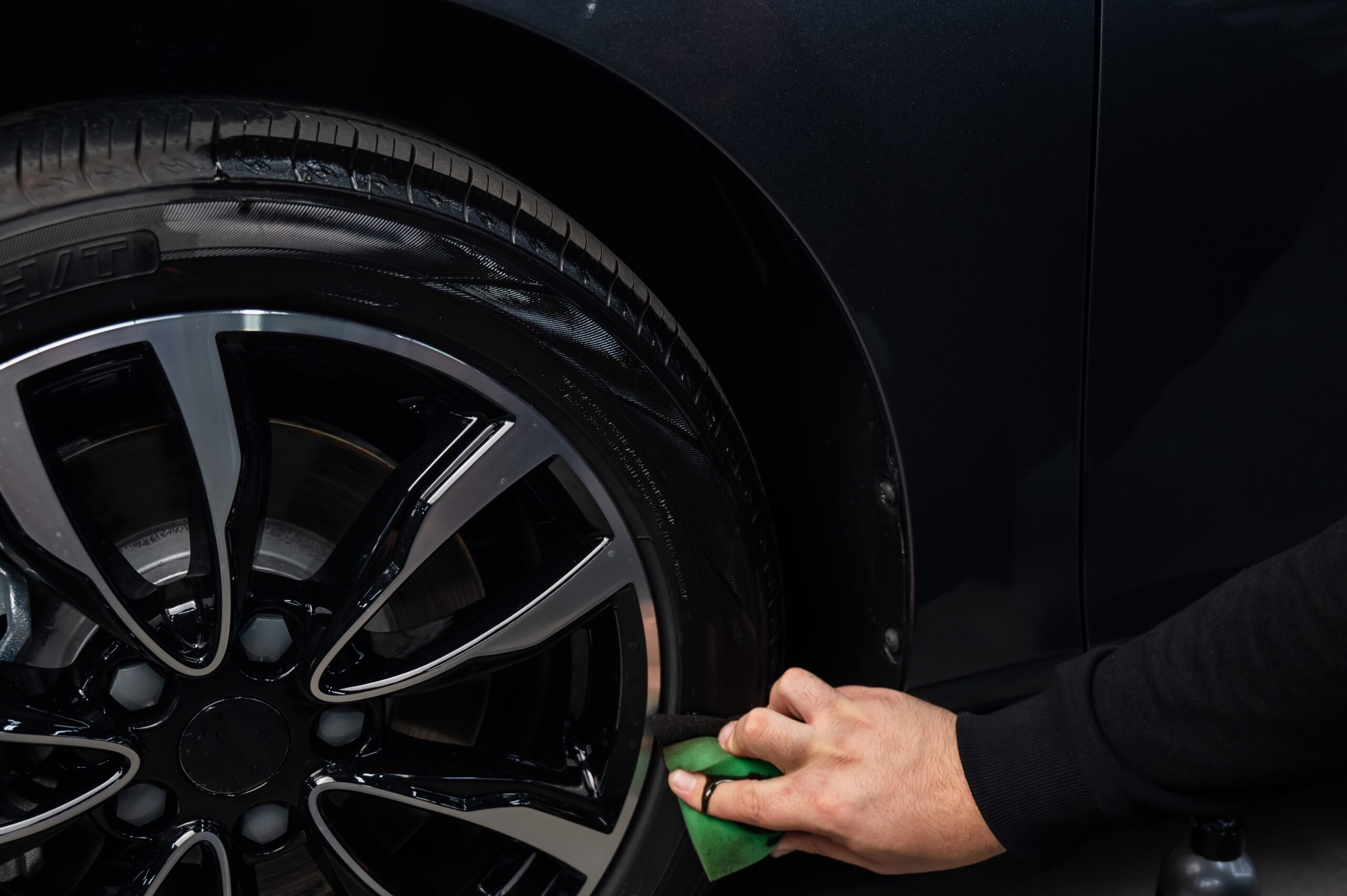
Start by cleaning each tire completely, using a mild soap solution and a tire brush to remove grime, brake dust and salt residue. This step is a critical best practice and is the first step for how to store snow tires and winter tires, which are typically exposed to significant amounts of corrosive de-icers and salt that can degrade rubber compounds over time.
During or after cleaning, thoroughly inspect each tire for damage and excessive or uneven tread wear. Check the sidewalls for cracks and bulges, and look for embedded nails that could cause slow leaks. If the tread is below 4/32 of an inch, consider replacement, as it may no longer be suitable for use.
Mounted tires–tires stored on their rims–should be inflated to their recommended PSI before storing to maintain their shape. Proper inflation also helps avoid flat spots during storage.
Finally, use masking tape or tire markers to label each tire according to its most recent position on your vehicle: “Front Right,” “Rear Left,” etc. This will help you rotate them properly when you remount them.
Preventing Damage in Storage: How to Store Tires for Protection and Longevity
As you think about how to store tires, consider whether you will be storing them mounted on rims or unmounted without rims, as each requires a different approach to protect their structural integrity.
Mounted tires offer more options for storage thanks to the presence of the rim, which helps them keep their shape. These can be stored vertically and rotated monthly, safely stacked flat up to 4 tires high, or hung from hooks placed through the rim center.
Unmounted tires should be stored vertically on a clean, dry mat or pallet, and rotated about 90 degrees every month to keep the tire from sitting too long in the same spot. Avoid storing directly on concrete, which can leach oils from rubber. Unmounted tires should never be stacked flat, as the weight of a tire stack can cause flat spots, unnecessary wear and deformation over time.
Protection from environmental damage is critical to successful long-term tire storage. Stored tires do best in temperatures between 50-70 degrees F with moderate humidity, as extreme temperatures and humidity can degrade rubber and significantly shorten the lifespan of your wheels.
Rubber compounds can also break down and crack due to overexposure to UV radiation and ozone. Protect your wheels by storing them away from sunlight and ozone-producing equipment such as electric motors, furnaces, central vacuum systems and sump pumps.
Individual tire bags or breathable covers made for tire storage provide excellent long-term protective value, and keep moisture, light and contaminants at bay.
How to Store Winter Tires: Protective Tips for Off-Season Care
When planning how to store snow tires, decide when during the season you plan to swap them. The general rule is to install winter tires when temperatures remain at 45 degrees F or lower, and remove them when seasonal temperatures rise and consistently hold above this temperature.
Why? Winter tire compounds are optimized to thrive in cold weather, with special traction and expansion patterns, but these same compounds wear and break down much faster when used in warmer temperatures. Thus, a thoughtfully planned seasonal rotation that factors in the specific temperatures your wheels are optimized for is the best approach for how to store winter tires.
Keep in mind snow tires feature specialized tread designs that provide grippy winter traction, but also require extra attention when preparing them for storage. These tread patterns are complex, with tiny slits in the tread blocks that can trap and embed more debris than standard tires, and require extra attention during pre-storage cleaning to make sure corrosive compounds are thoroughly removed.
Pick a Lane: How to Choose The Best Location to Store Your Tires
The home garage is usually the first and most convenient location for people considering how to store tires. Garages provide easy access for car owners, and enclosed, well-ventilated garages can provide some protection against elemental damage and decay. Garages can be outfitted with hooks and racks for hanging and positioning tires, and the at-home access makes them the top choice for those who work on their cars at home and are comfortable mounting their own tires.
Indoor storage is always your best bet when determining how to store snow tires and other tire types, as long-term outdoor storage exposes them to the full suite of damaging environmental hazards: extreme temperatures, moisture, and UV light.
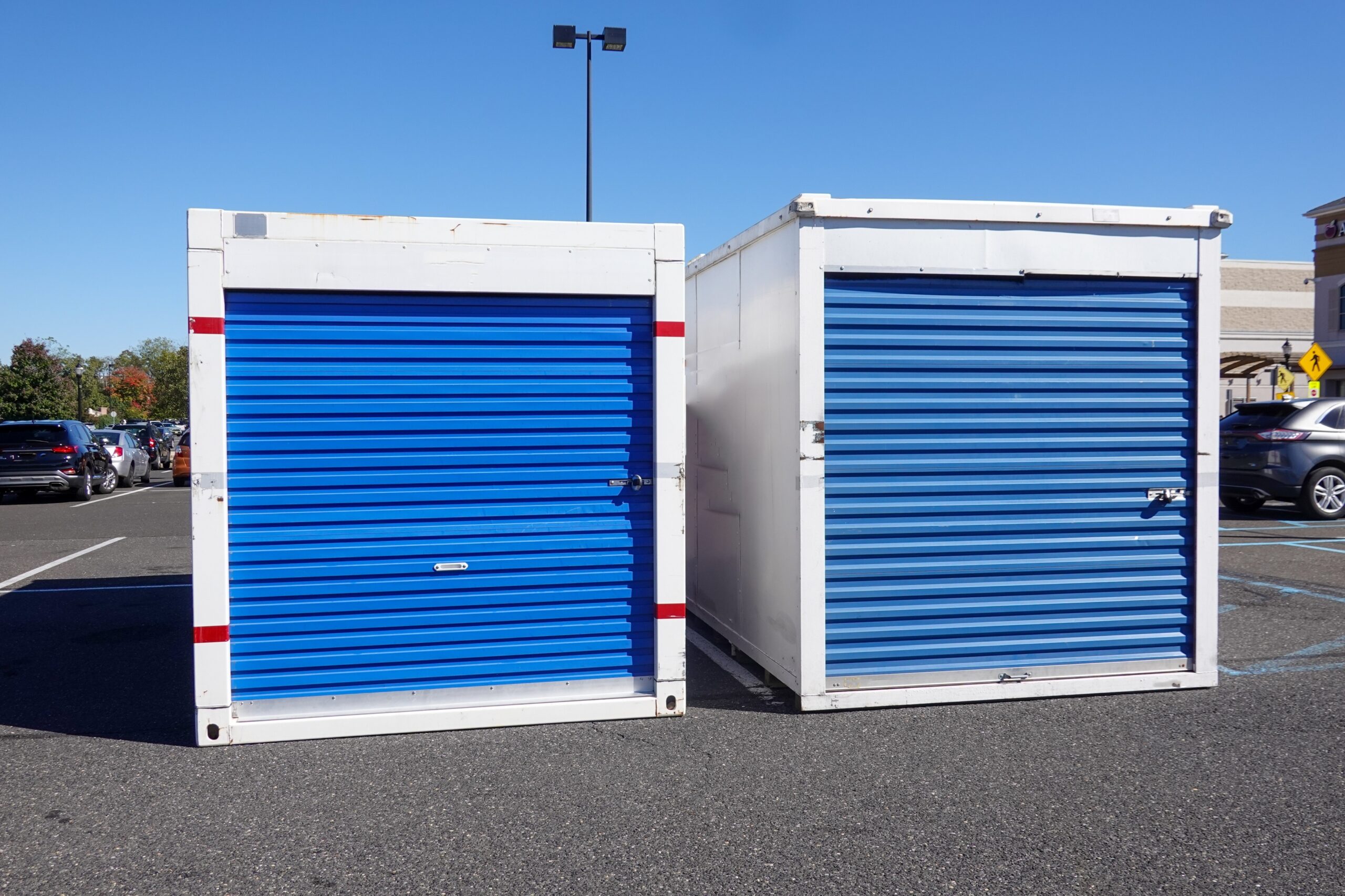
The ultimate indoor tire storage includes climate control to maintain a consistent, temperate environment ideal for long-term tire storage. If you are trying to decide between a garage or an off-site, climate-controlled storage unit to store your tires, our storage unit finder can help you locate a convenient storage unit that is perfectly sized to safely house and protect your wheels.
Extend the Life of Your Seasonal Tires: Tips and Best Practices for How to Store Winter Tires
Don’t let poor storage practices sabotage your expensive tires. When you know how to store tires properly, you ensure your investment will last the full, usable duration of their expected lifetime.
If you drive in extreme climates, you should know how to store winter tires to keep them maintained and ready to go, season after season. Whether you store them in a garage, basement or dedicated storage facility, clean tires that are well protected from environmental damage and appropriately packed away based on whether they are mounted or unmounted will serve you well for years to come.

Tires are large, bulky and often heavy items, so if you cannot figure out how to store tires on your property, consider off-site storage. Our storage finder tool will help you locate a convenient and affordable, climate-controlled storage unit to give your wheels the protection they, and you, deserve.
FAQs
Direct sunlight, rain, snow, ozone and temperature fluctuations will shorten the lifespan of a tire, and even covered tires are not immune to outdoor environmental damage.
If you must use a tire that has been stored outdoors for a lengthy period, it should be very carefully evaluated for integrity
Unmounted tires (tires off their rims) are best kept off concrete floors–place them on cardboard, wood pallets or rubber mats instead, and rotate them seasonally as you would the tires on your car to avoid flat spots and localized wear.
Tires mounted on rims, such as winter tires, are suitable for stacking or hanging from hooks because the rim provides the structural support that keeps tires structurally sound even under the weight of other tires.
Standard plastic bags may be used as well, and are a budget-friendly alternative to specialty tire storage bags. If you use standard plastic bags, be sure to leave a small opening for ventilation and proper air circulation.