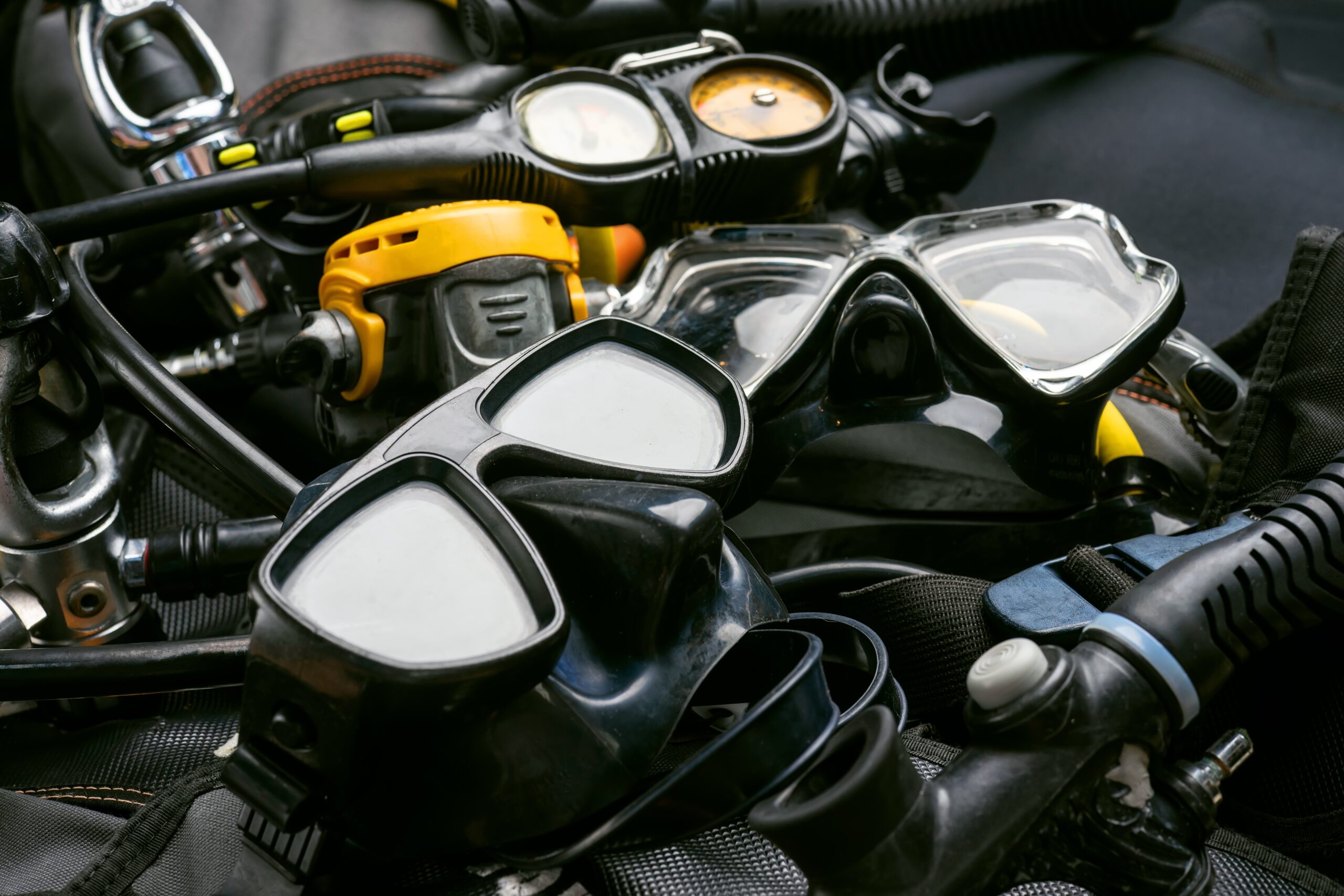

Scuba diving equipment and diver gear are obviously resilient since they can handle deep-sea diving, but that doesn’t mean scuba regulators, exposure suits, and other gear can’t be damaged by improper storage. Many divers have special dive gear storage areas for their scuba diving equipment, snorkel gear, and diver gear when it’s not being used, but not everyone has the space and conditions necessary to store scuba fins, dive masks, dive computers, and other equipment safely.
A good option in this situation is self-storage for exposure suits, snorkel gear, underwater cameras, and all your scuba diving equipment. Reserving a storage unit for scuba gear can be a sensible short-term or long-term solution for divers who need a safe place to keep their diving equipment. With a climate-controlled storage unit and prepping equipment ahead of storage, it’s easy to protect your gear from costly damage.
Let’s take a closer look at how to store scuba equipment with some advice from the experts.
How Climate-Controlled Storage Protects Scuba Gear
Climate-controlled storage units can protect many sensitive items in storage, including scuba diving gear like exposure suits, neoprene suits, snorkel gear, and diver gear. That’s because it maintains safe temperatures and humidity levels inside a storage unit.
You might not think climate control is necessary for scuba equipment that holds up to various underwater temperatures, but too much heat can actually destroy your gear, particularly your wetsuits.
According to Eric Schulte, Technical Service Manager at SCUBAPRO, a premier manufacturer of scuba diving equipment, including scuba regulators, Dacor Gauges, and Oceanic Compass models since the early 1960s, the plastics and synthetic rubbers in wetsuits, latex seals, and neoprene suits can be ruined when not stored in a climate-controlled environment.
“Heat will cause a breakdown and [dry] out of all the plastics and neoprene over a period of time,” says Schulte. Because the fibers in wetsuits are so delicate, it’s important that they’re stored at a moderate temperature.
The same goes for other equipment, including dive computers, underwater cameras, oxygen tanks, gauges, snorkeling gear, snorkel gear, dive masks, mask straps, and scuba regulators. Even your buoyancy compensator and buoyancy control device need proper temperature control. Since scuba equipment uses specific materials for underwater use, it’s extremely susceptible to overheating.
Rinse and Dry Your Wetsuits Before Storage
Scuba diving gear experts say it’s important to rinse your wetsuit, exposure suits, snorkel gear, and other equipment with fresh water after diving in salt water. Use a specialized gear cleaner as part of your equipment care practices. If you do not rinse the scuba diving gear—including scuba regulators, dive masks, scuba fins, and snorkel gear—with fresh water, the salt will get into every nook and cranny and eat the equipment alive,” says Eric Mahan, shop manager at Catalina Diver Supply in Avalon, Calif., the longest-running, full-service diving facility on Catalina Island. “It can be very detrimental for the equipment.”
“After rinsing your scuba diving equipment with fresh water, Mahan says it’s also a good idea to dry everything—including mask straps, latex seals, and neoprene suits—before putting it in self-storage. “You want to make sure everything is dry, or the equipment will develop mildew and mould growth. Store items in a mesh bag with silica gel sachets to absorb any remaining moisture.”
As for packing a wetsuit or exposure suits for dive gear storage, Mahan warns against shoving a wetsuit into a moving box. Placing a wetsuit in a cramped space, it can have a negative impact on the quality of the suit for future use. “Loosely packed or hung on scuba-specific hangers is preferred,” he says. “Neoprene suits and exposure suits need room to breathe and maintain their shape.”
Don’t Leave Scuba Cylinders Empty
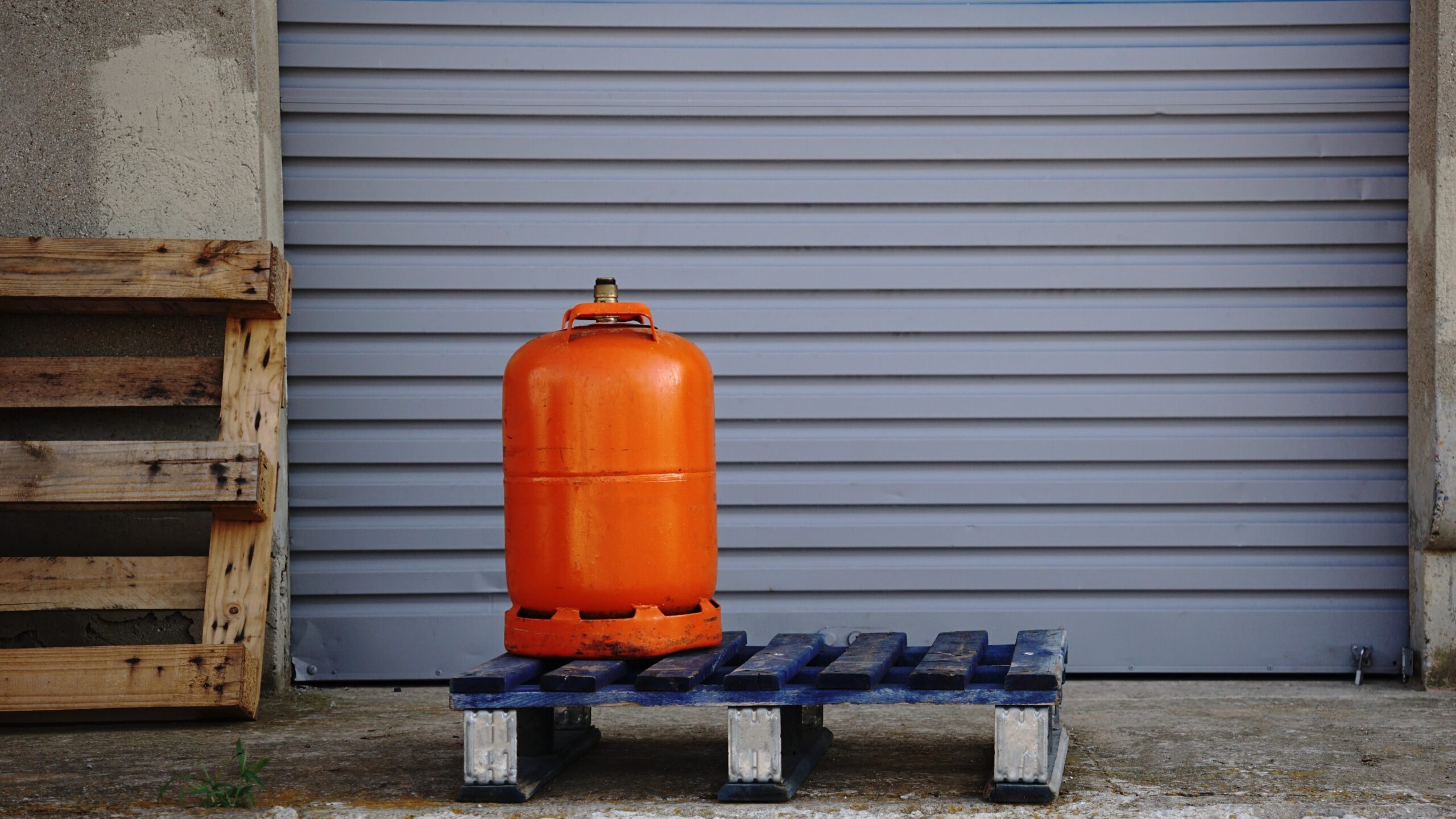
Scuba cylinders play a vital role in scuba diving alongside scuba regulators, buoyancy compensators, and dive computers, and can be an expensive investment. To avoid having to replace your cylinder due to improper storage, scuba diving experts recommend never storing an empty tank.
“A scuba tank should always be stored for long periods with a lower pressure (i.e., 200-300 psi), but not empty, to avoid corrosion and breathing air contamination,” says Schulte.” “[Storing scuba cylinders with low pressure] will help them from taking on moisture,” adds Mahan. “If they’re empty, they can get corroded, and it will eat the bottle from the inside out.” Mahan also recommends checking with storage facilities before storing scuba cylinders alongside your snorkeling gear, underwater camera, dive computer, and other diver gear, as some facilities may have policies for storing compressed air.
With these helpful equipment care practices, your scuba diving gear, including exposure suits, neoprene suits, scuba fins, dive masks, scuba regulators, snorkel gear, buoyancy control devices, and underwater cameras, will be kept safely in dive gear storage.
One last thing the experts note is that it’s always a good idea to have your scuba diving equipment checked out by a certified scuba repair facility that handles drysuit repairs, latex seals replacement, mask strap fixes, and buoyancy compensator servicing before your next dive, especially if it’s been in storage for long periods of time. This will ensure everything is in working order and won’t cause problems during your next outing.
Additional scuba gear storage tips:
- Use scuba-specific hangers for neoprene suits and exposure suits
- Store snorkel gear and snorkeling gear in a mesh bag with silica gel sachets
- Keep your Dacor Gauges and Oceanic Compass in protective cases
- Inspect latex seals regularly for signs of mould growth
- For drysuit repairs or specialized equipment care practices, consult a professional before long-term dive gear storage.