
Article takeaways
- Most people asking are storage units fire proof should know that most units are fire-resistant rather than fully fireproof.
- Fire protection during a storage unit fire varies by facility, with indoor and climate-controlled units typically offering stronger safeguards.
- Modern storage facilities rely on layered fire safety features like detection systems, sprinklers, and fire-rated construction to reduce damage.
- Renters can lower fire risk by choosing well-maintained facilities and avoiding prohibited items that increase the chance of a storage unit fire.
- Insurance plays a critical role in protecting belongings, since storage facilities do not cover losses caused by fire.
So, you’re putting your stuff in a storage unit. Naturally, you’re wondering: what happens if there’s a fire? Are storage units actually fireproof? Most aren’t fully fireproof, but modern facilities are built with fire-resistant materials and safety systems that offer real protection for your belongings.
Fire safety knowledge makes choosing the right storage facility easier and helps protect your belongings. This guide covers everything from building materials and safety systems to insurance options and what you can do to minimize fire risk.
Understanding Fire Ratings and Standards
First things first: fireproof and fire-resistant aren’t the same thing. No building material is completely fireproof. Fire-resistant materials are designed to withstand fire and delay its spread for a specific period, typically measured in minutes or hours.
Fire-resistant ratings come from standardized tests that measure how long materials can withstand fire. Common ratings include 30-minute, 1-hour, or 2-hour fire resistance.
Storage facilities follow local building codes. These codes usually reference NFPA safety standards. NFPA 101 (Life Safety Code) and NFPA 230 (Fire Protection for Storage) establish guidelines for storage facility construction. These cover emergency exits and fire suppression systems.
Most self-storage facilities fall under “storage occupancy” classifications. These require specific safety measures based on the contents’ fire hazard level. Contents are classified as low, ordinary, or high hazard, with ordinary hazard being most common for typical household items.
Are Most Storage Units Fireproof?
Most storage units aren’t built with fire safety as the priority. They focus on low costs instead.
Standard storage unit construction materials include:
- Metal construction: Steel walls and roofing resist ignition but can warp or fail under extreme heat. Metal buildings often feature single-wall construction with minimal insulation.
- Concrete block walls: Concrete offers excellent fire resistance,withstanding temperatures up to 1000°C for about 60 minutes before losing structural integrity.
- Wood framing: Less common in modern facilities but still found in older or converted buildings. Wood construction requires fire-retardant treatments to meet current codes.
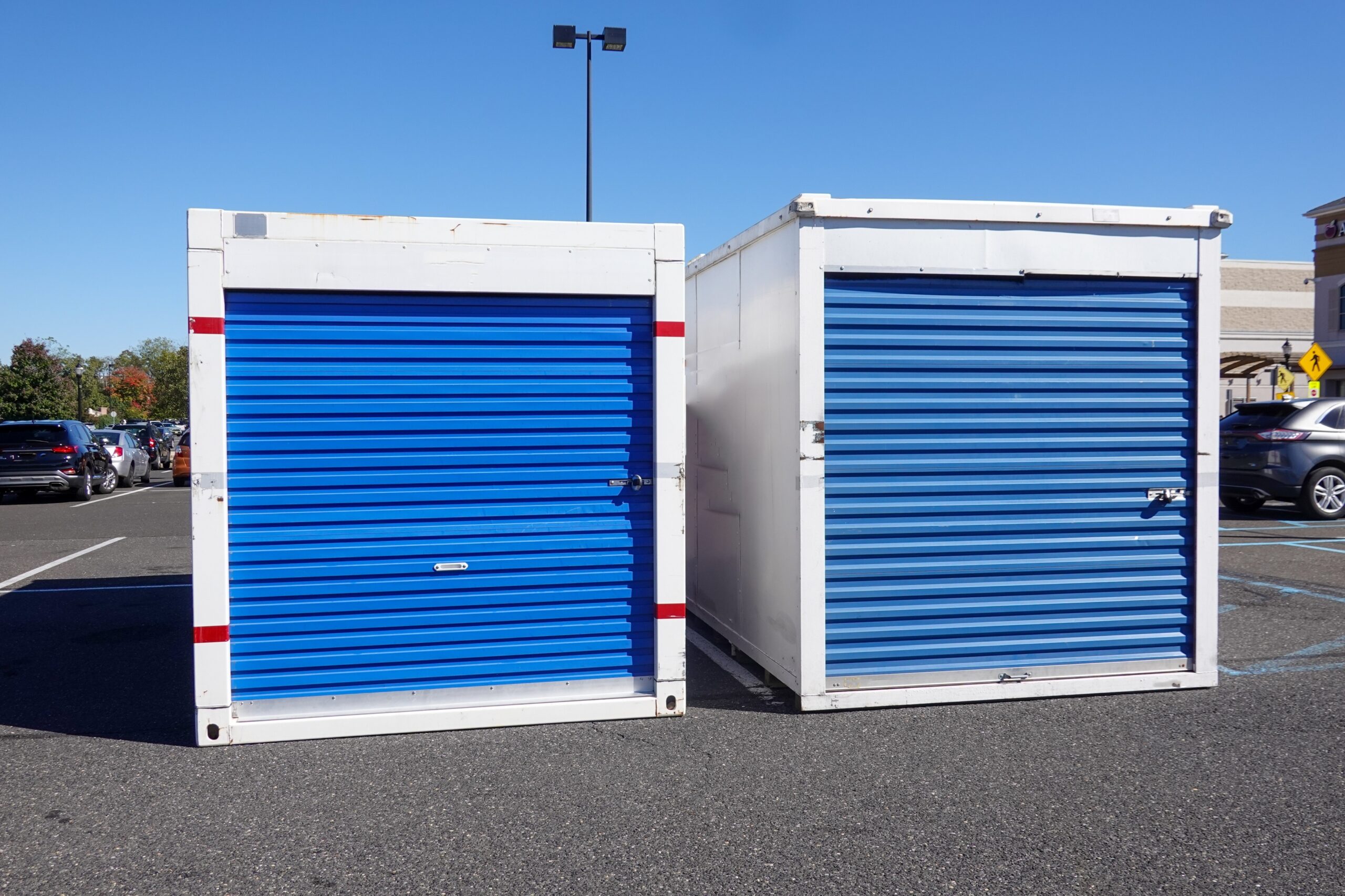
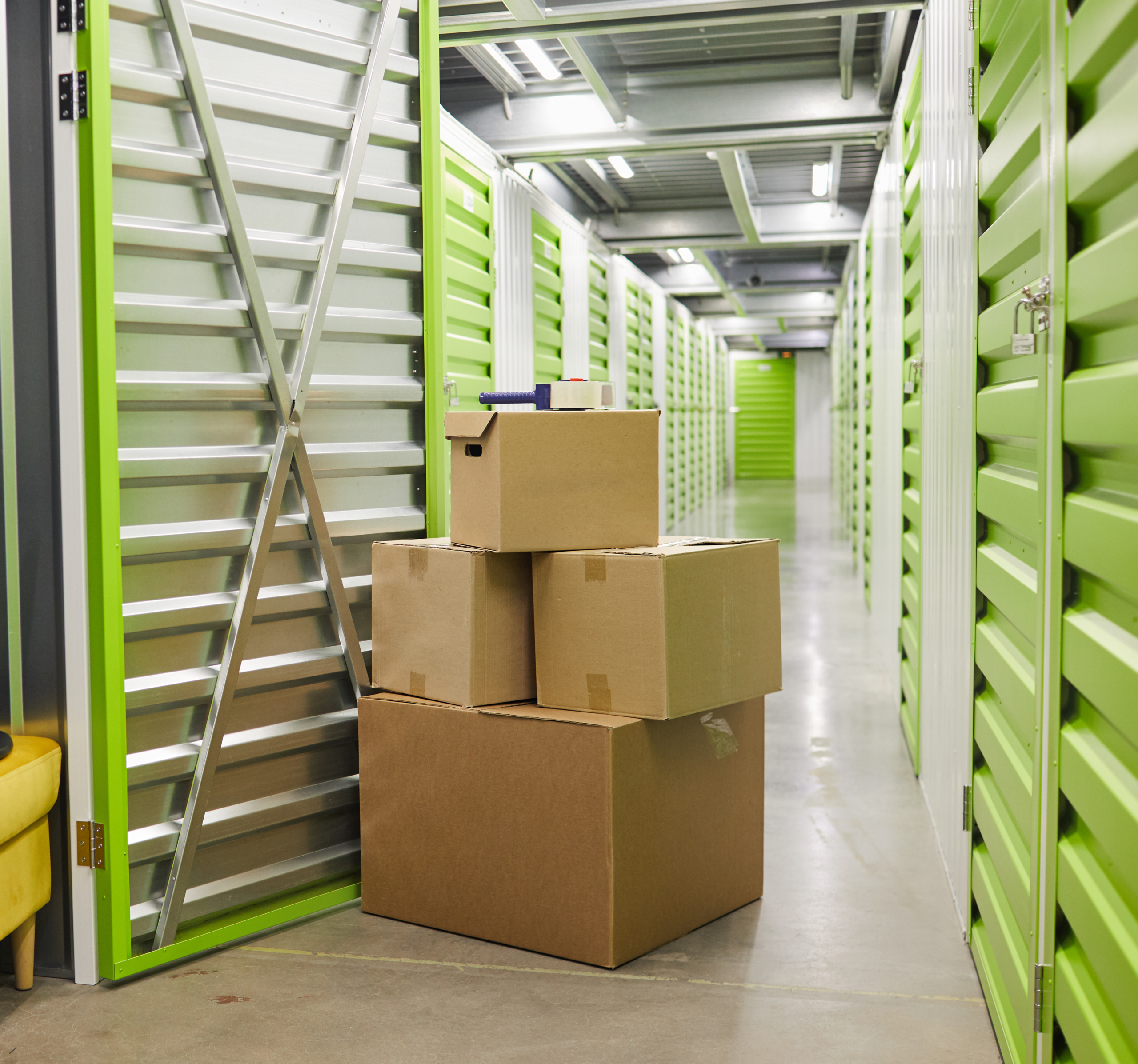
- Indoor vs. outdoor units: Indoor storage units typically have better fire protection due to building-wide sprinkler systems and enclosed construction. Outdoor units rely more on the space between buildings and quick emergency response.
The biggest difference in fire safety comes from whether units are climate controlled. Climate controlled buildings usually feature more robust construction, including fire-rated walls, better detection systems, and controlled environmental conditions that reduce fire risks.
Fire Safety Features in Modern Storage Facilities
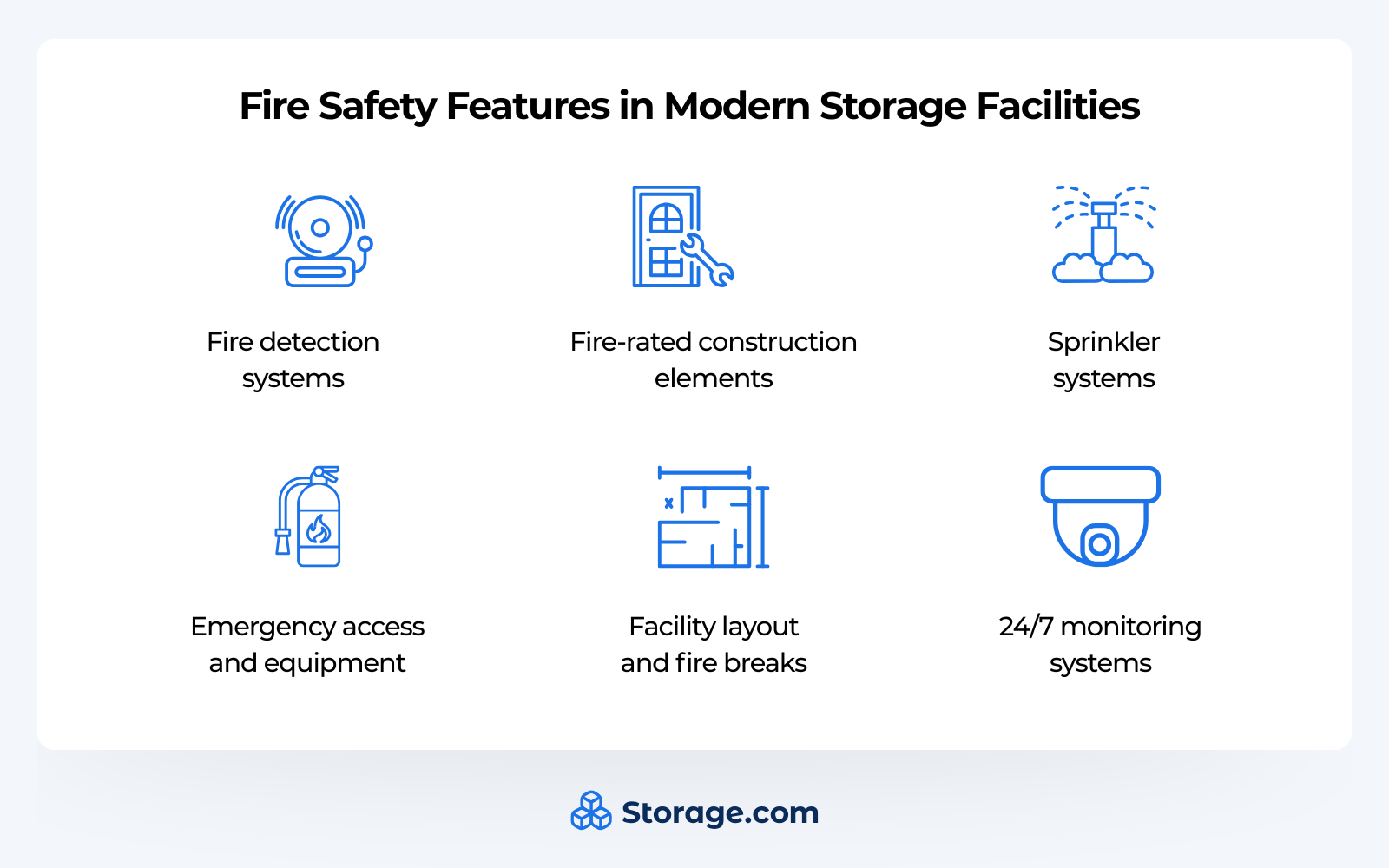
Today’s storage facilities are much better equipped for fire safety than older ones. They use multiple layers of protection, though the specific systems vary by facility age, size, and local requirements.
Fire detection systems form the first line of defense. Modern facilities install smoke detectors and heat sensors throughout buildings, often connected to central monitoring systems that automatically alert both facility management and fire departments.
Sprinkler systems can dramatically reduce fire damage. While sprinkler systems aren’t required in all storage buildings, facilities with sprinkler systems use far less water than firefighter hoses. Which can help minimize water damage to surrounding units in the event of a fire. Some facilities also use dry sprinkler systems in unheated areas to prevent pipe freezing.
Fire-rated construction elements include fire-resistant doors, walls with specific hour ratings, and proper separation between storage areas. Fire-rated doors must close automatically during emergencies and maintain their protective seal.
Emergency access and equipment requirements ensure firefighters can respond as effectively as possible. Buildings over 12,000 square feet must provide access to at least two sides, and fire extinguishers must be positioned within 75 feet of storage units.
Facility layout and fire breaks help prevent fire spread between buildings and storage units. Well-designed storage facilities maintain adequate spacing between structures, provide wide access roads for emergency vehicles, and use fire barriers to compartmentalize different sections. This layout limits how far fires can spread and gives firefighters better access.
24/7 monitoring systems at many facilities provide remote oversight, enabling faster emergency response even during off-hours.
Levels of Fire Protection Available
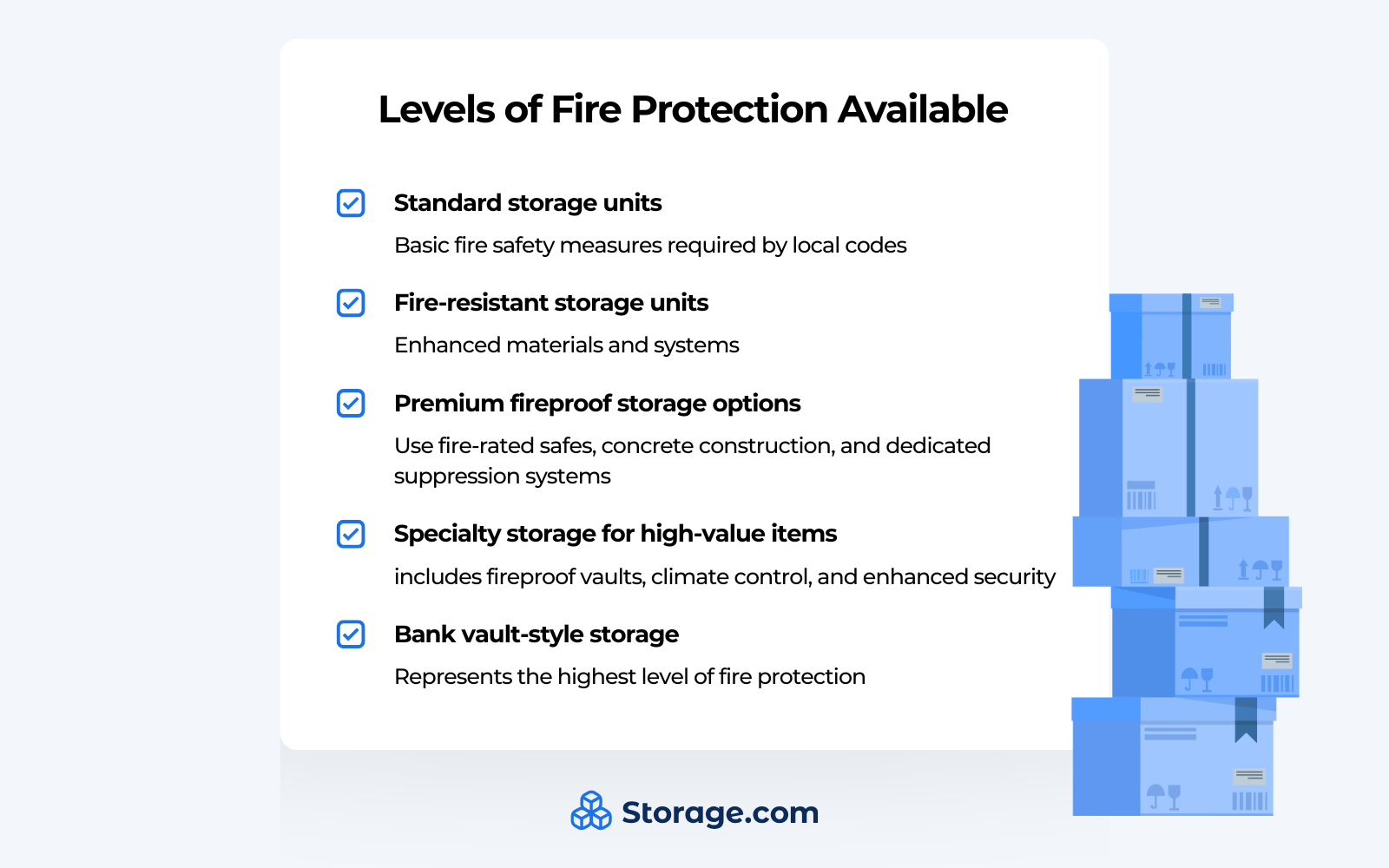
Storage units aren’t one-size-fits-all when it comes to fire protection. You’ve got options depending on what you’re storing and how much protection you want. Let’s break down your choices.
- Standard storage units typically feature basic fire safety measures required by local codes. These may include smoke detection, emergency exits, and minimal fire-rated construction elements.
- Fire-resistant storage units use enhanced materials and systems. Features might include fire-rated walls, automatic sprinkler coverage, and improved ventilation systems that prevent smoke accumulation.
- Premium fireproof storage options exist for high-value items. These specialized units use fire-rated safes, concrete construction, and dedicated suppression systems. Banks and document storage services often provide these premium options.
- Specialty storage for high-value items includes features like fireproof vaults, climate control, and enhanced security. These units cost significantly more but provide maximum protection for irreplaceable items.
- Bank vault-style storage represents the highest level of fire protection, featuring concrete construction, specialized suppression systems, and fire ratings measured in hours rather than minutes.
What Happens in a Storage Unit Fire?
If a fire occurs in a storage facility or spreads to a facility from another site, it can spread very quickly through connected units.
Fires in storage facilities often go undetected initially because units remain closed most of the time. By the time smoke becomes visible, fires may already be well-established. Storage building design accelerates this problem. Units side by side or stacked vertically allow fire spread through shared walls and roofing.
Emergency response protocols vary by facility but typically involve immediately alerting the fire department, evacuating the property, and shutting off utilities. Response times depend on location and local fire department resources, but even with quick 5-10 minute response times, fires can cause significant damage in storage facilities. Firefighters often break through multiple unit doors to ensure the fire hasn’t spread to adjacent spaces.
Smoke and water damage considerations extend beyond the fire’s origin. Even units that don’t burn directly may suffer smoke damage, while firefighting efforts can cause significant water damage throughout affected buildings.
Common causes of storage unit fires: Most storage unit fires often start from everyday situations, but they can also happen for reasons people don’t expect. Common causes include electrical faults, items like gasoline or propane (that many don’t realize are prohibited or require specific, at-home storage), smoking on the premises, and, unfortunately, arson. Recent incidents have also involved defective batteries from electronics and e-bikes that seemed safe to store, but were ultimately stored improperly.
How to Protect Your Belongings
Worried about fire safety? That’s smart thinking. While you can’t prevent every possible risk to your belongings, there are practical steps you can take to keep your belongings much safer.
Choosing a facility with proper fire safety measures is your first line of defense. During your facility tour, look for visible sprinkler heads, smoke detectors, and fire extinguishers. A well-maintained facility with clean, organized appearances usually takes better care of its safety systems too.
Don’t be shy about asking questions before renting. Good facilities expect this.
Ask the important fire safety questions:
- Does the building have sprinkler coverage?
- How often are fire safety systems inspected?
- What’s the facility’s emergency response procedure?
- Are there restrictions on stored items beyond the standard lease terms?
When you’re ready to rent a storage unit, prioritize facilities that demonstrate clear attention to safety and maintenance.
Smart packing techniques make a real difference for fire safety. Avoid stuffing your unit to the brim. This creates fire hazards and blocks air circulation. Leave some breathing room between stored items and walls. And if you have flammable materials, store them properly or consider leaving them out entirely.
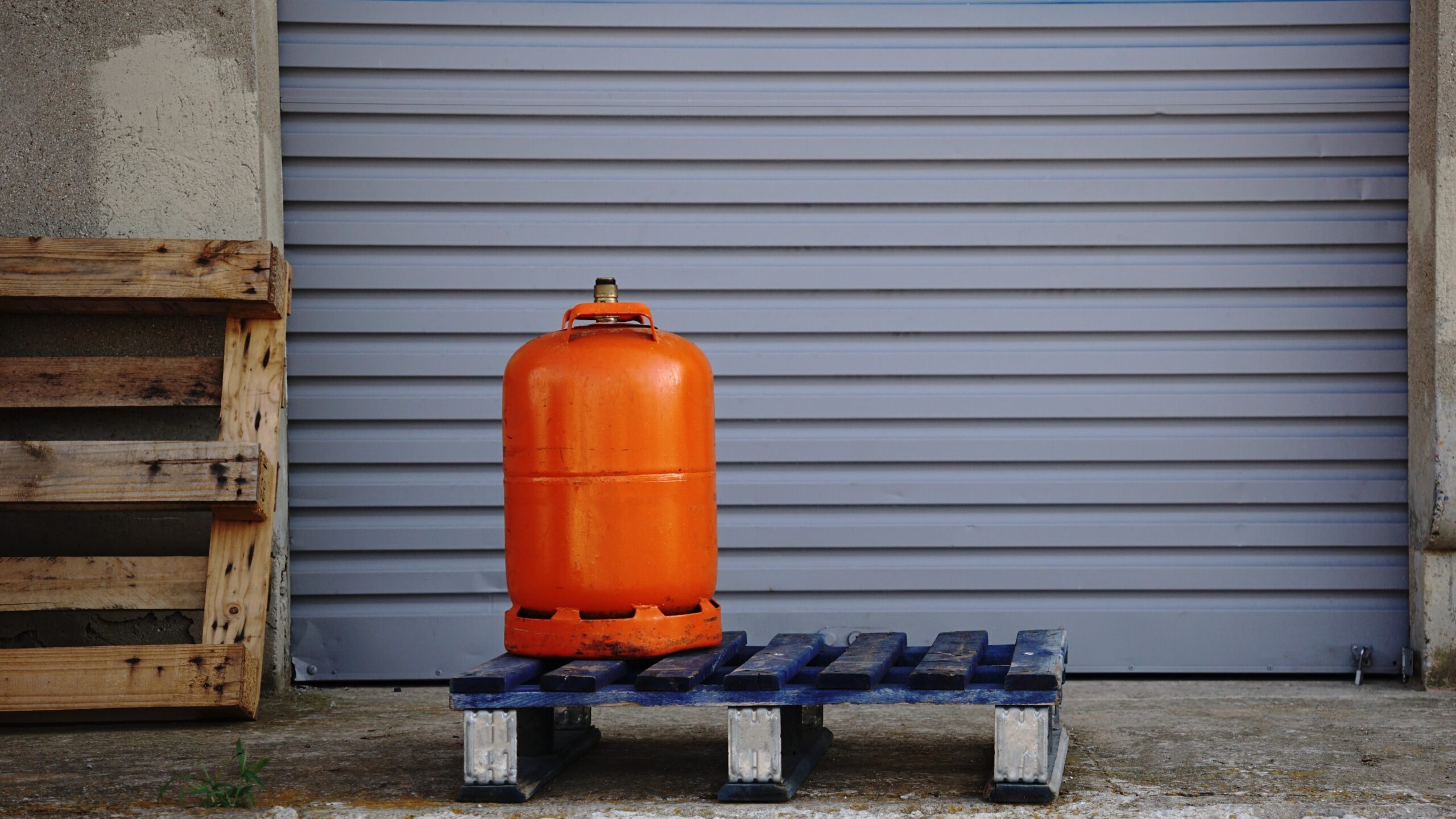
Some items are just too risky to store, even if they seem harmless. These include gasoline, propane tanks, paint thinners, fireworks, defective batteries, cleaning chemicals, and defective electronics. Even items that seem innocent, like aerosol cans, can become explosive in high heat.
Taking photos and making a list of everything you store is time well spent. This inventory helps with way more than just fire safety. If something ever happens, you’ll have documentation for insurance claims, and you’ll actually remember what you put in there.
Storage unit Insurance gives you additional protection for the times when fire prevention isn’t enough. Your homeowners or renters policy might provide some coverage as well, but if you’re storing valuable items, dedicated storage insurance is definitely worth considering.
When organizing your storage unit, consider fire safety alongside accessibility and protection.
Storage Unit Insurance and Fire Coverage
Storage facilities don’t provide insurance for your belongings, making personal coverage essential for fire protection.
Homeowners and renters insurance coverage typically extends to storage units, but with limitations. Most policies cover stored items up to 10% of your total personal property coverage, so a policy with $50,000 in personal property coverage might protect $5,000 worth of stored items.
This coverage applies to fire damage, theft, and other covered perils, but check your specific policy language. Some insurers cap coverage differently or exclude certain risks for off-premises storage.
Dedicated storage insurance options fill gaps in homeowners coverage. Storage facilities often offer insurance through third-party providers. These typically cost $10-30 monthly for coverage up to $5,000-$10,000. These policies specifically address storage risks and may cover items during transport to and from your unit.
What fire damage claims typically cover includes the actual cash value or replacement cost of damaged items, depending on your policy type. Fire-related claims also cover smoke damage, which can be extensive even in units that don’t burn directly.
Documentation needed for claims includes your contents inventory, purchase receipts for valuable items, photos of damage, and the fire department report. Thorough documentation beforehand makes the claims process much smoother.
Prohibited Items That Pose Fire Risks
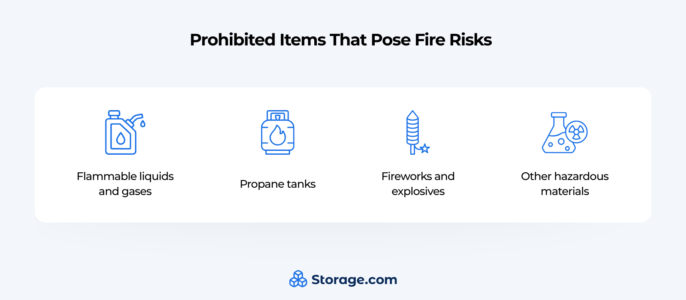
Storage facilities prohibit certain items specifically to reduce fire hazards, but enforcement varies.
- Flammable liquids and gases top every prohibited items list. Gasoline, kerosene, paint thinners, and other volatile liquids create serious fire and explosion risks. Even small amounts can ignite explosively.
- Propane tanks remain dangerous even when empty due to residual gases. Many storage unit fires have started from improperly stored propane, including incidents where people were smoking near units containing tanks.
- Fireworks and explosives obviously create extreme dangers. Professional-grade fireworks caused a significant facility fire in San Jose that destroyed the entire building.
- Other hazardous materials include certain cleaning chemicals, automotive fluids, and ammunition. Some materials become more dangerous when stored in uncontrolled temperatures or when mixed accidentally.
Consequences of storing prohibited items extend beyond lease violations. You could be liable for damage to other units, face criminal charges for negligent storage of dangerous materials, and void your insurance coverage entirely.
Alternative Options for Fireproof Storage
If fire protection is your top priority, there are some alternative fire prediction measures you can consider beyond standard storage units:
- Fireproof safes and containers protect documents and small valuables effectively. Quality fireproof safes withstand temperatures up to 1700°F for 30-120 minutes, depending on their rating.
These work well for irreplaceable items like family photos, important documents, and small valuables. - Bank safe deposit boxes offer maximum fire protection for documents and small items. Banks maintain these in fireproof vaults with multiple protection layers, though access is limited to banking hours.
You can purchase bank safe deposit boxes from online retailers or resale sites like eBay and Craigslist, or you can even call your local banks and credit unions to see if they’d be willing to sell you one. - Document storage services specialize in protecting business records and important papers. These services often feature fire-rated buildings, climate control, and professional-grade security systems.
- Digital backup solutions eliminate fire risk for documents entirely. Scan important papers and store copies in cloud services. While digital backups don’t replace your physical document storage needs, it does help give you peace of mind that you’ll never lose any critical information, or those handprint turkey paintings your kids gifted you in the 2nd grade.
How Storage Facilities Can Be Safer
What could make storage facilities safer?
Some recent innovations for the storage industry include improved fire suppression systems that use dry chemicals instead of water. This reduces damage to stored items. Some facilities now install individual unit detection systems rather than relying solely on building-wide coverage.
Enhanced security features often coincide with fire safety improvements. Facilities investing in comprehensive security measures typically maintain their fire safety systems better, too.
Look for facilities that exceed minimum code requirements, maintain comprehensive inspection records, and demonstrate ongoing investment in safety systems.
Find Safe Storage & Peace of Mind For Your Belongings
Most storage units aren’t fireproof, but modern facilities use fire-resistant construction and safety systems that provide solid protection. The key: know your facility’s specific safety features, choose appropriate insurance coverage, and follow proper storage practices.
Fire safety in storage comes down to following a few security tips and adding layers of protection: resistant building materials, detection and suppression systems, emergency response procedures, and responsible storage practices. You can’t eliminate fire risk, but informed decisions about facility selection, insurance coverage, and storage methods dramatically improve your belongings’ safety.
Ready to find secure storage that prioritizes safety? Use Storage.com to compare safety features, security measures, and other amenities at storage facilities near you. The peace of mind that comes from proper fire safety protection is worth the extra effort in facility selection and insurance planning.